
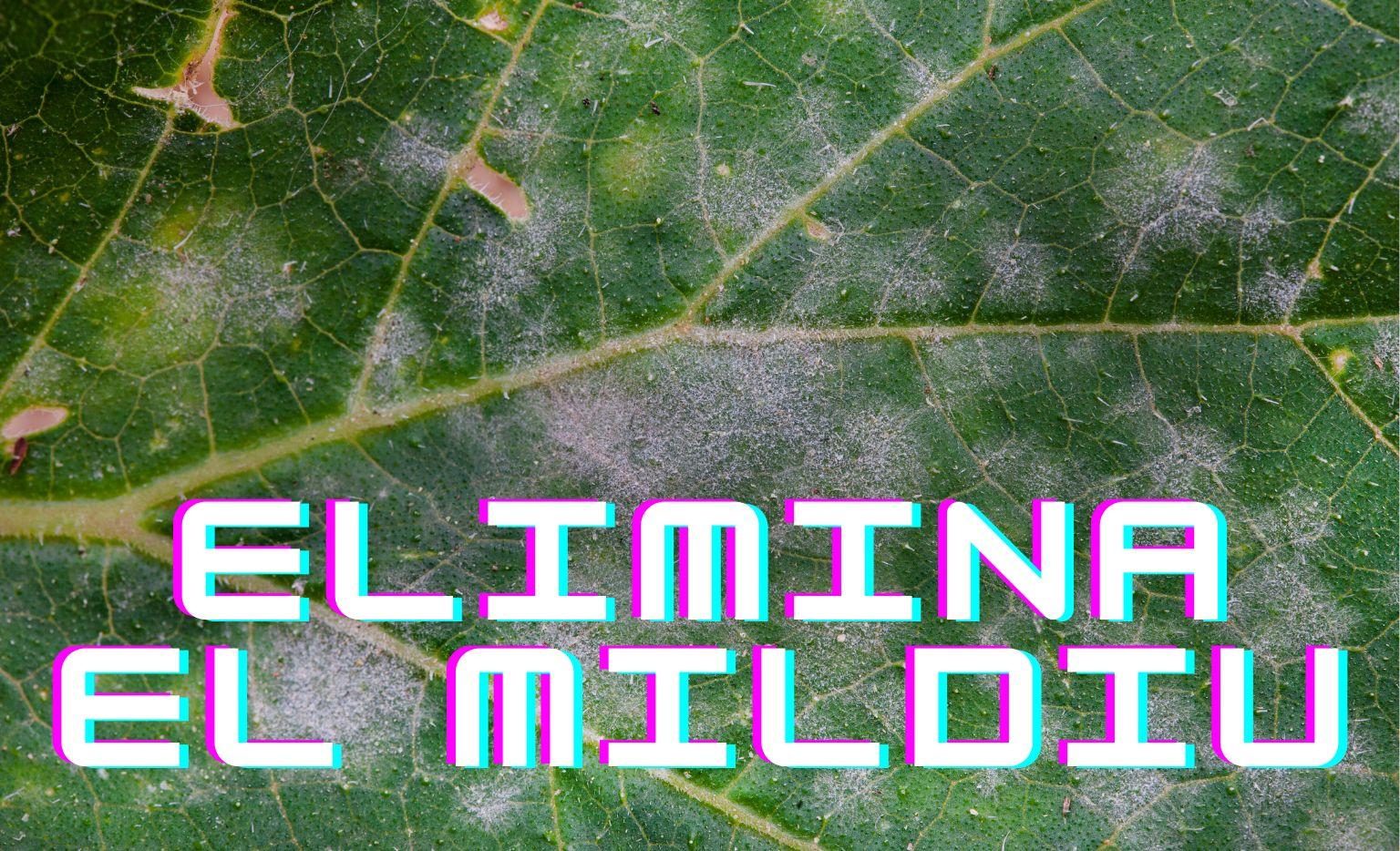
How to Eliminate Downy Mildew
If you've heard about powdery mildew and are concerned about how it could affect your plants, you're in the right place! Here we'll offer you science-based information and some practical techniques to protect your precious plants, vegetables and flowers.
What is powdery mildew and why can it ruin your harvest
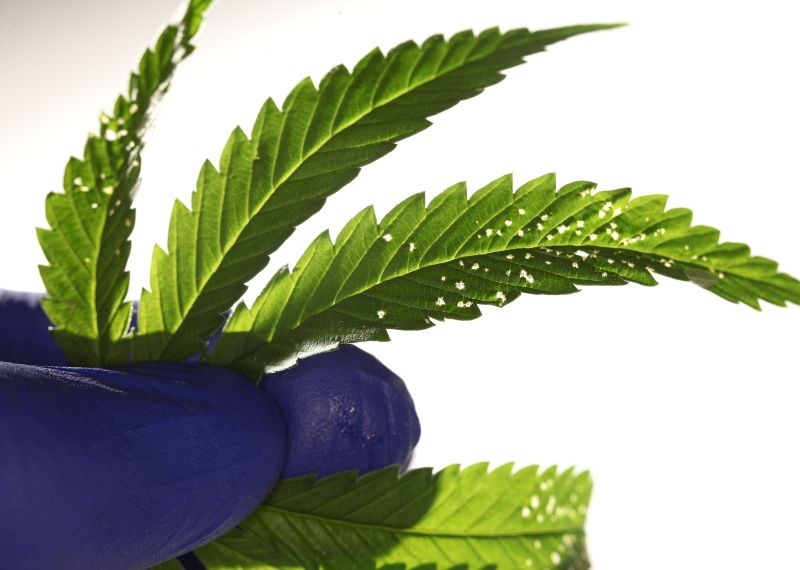
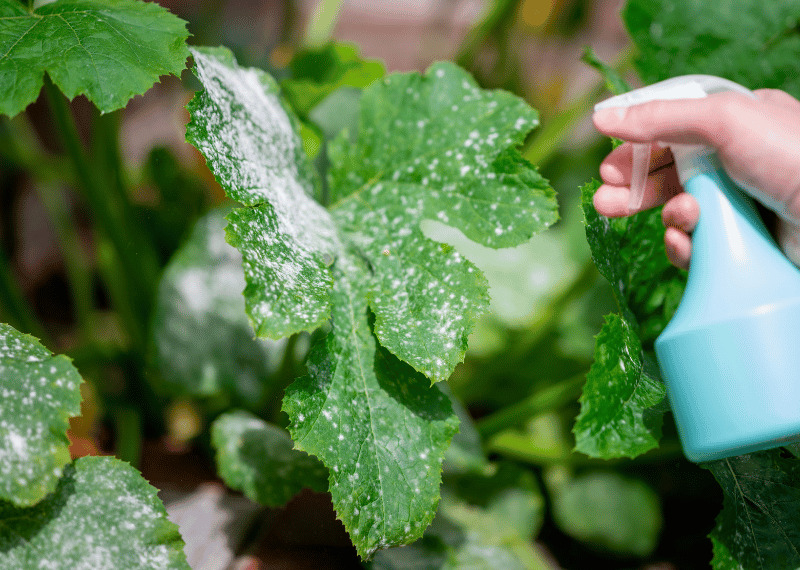
Before we get into it, let's understand our "enemy". Powdery mildew is caused by different species of oomycetes, and is one of the most common and devastating diseases for various crops. It can appear as yellowish or white spots on leaves and, over time, can lead to defoliation and death of the plant (Hemmes, 1994). The worst part? If you don't act quickly, it can spread like gossip at a family gathering – and we don't want that!
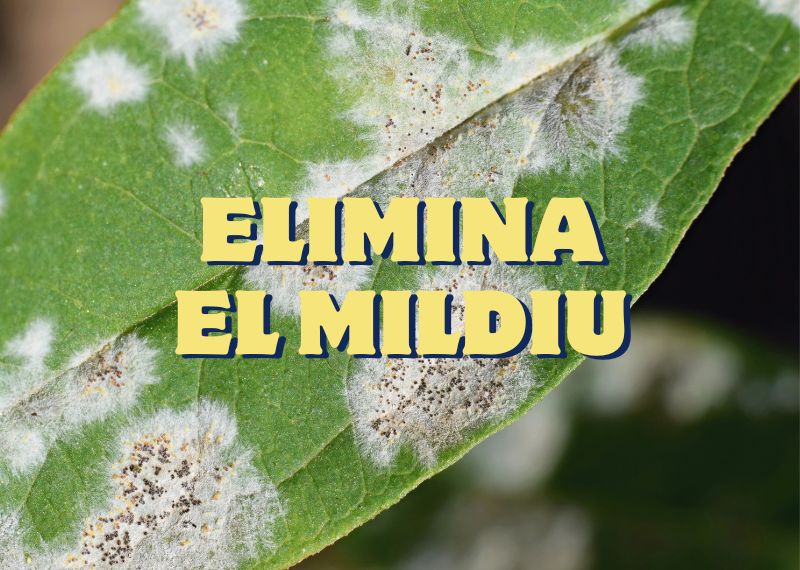
How to combat powdery mildew in 6 steps
Right then! Now that you know the "villain", it's time to discover how to combat powdery mildew and teach it a lesson. Following these steps, your plants will thank you:
1. Proper air circulation
Good air circulation is essential. Make sure your plants aren't too close together. Good air flow can reduce humidity, which is powdery mildew's preferred environment (Parra & Ristaino, 2001).
2. Water at the base
Water directly at the base of your plants and avoid wetting the leaves. Moisture on the leaves can be an open invitation to this pathogen (Jones et al., 2001).
3. Selection of resistant varieties
When planning your garden, consider varieties that are resistant to powdery mildew. It's like having a superhero in your garden!
4. Specific fungicides
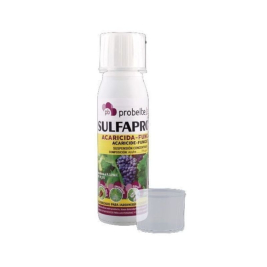
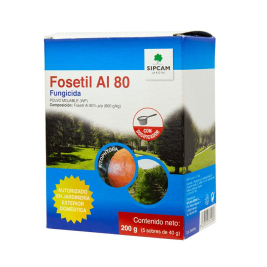
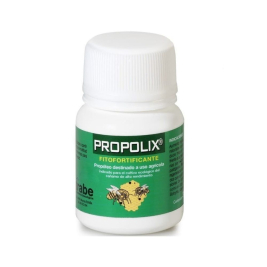
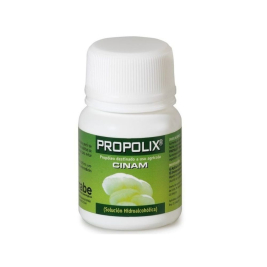
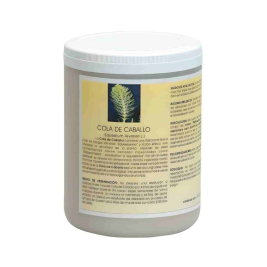
If you're wondering what the best fungicide for potato powdery mildew is, there are several options on the market. But it's crucial to read the labels and follow the recommendations (Cook & Baker, 1983). We recommend some like Horsetail, Lexor, Aliosan, Sulfapron and Propolix,
5. Remove affected parts
As soon as you see signs of powdery mildew, act fast. Remove infected leaves or parts to prevent it from spreading. And remember, how to remove powdery mildew from plants is an art – do it carefully!
6. Avoid excess nitrogen
Too much nitrogen can make your plants more susceptible to powdery mildew. Use fertilisers in moderation and balance (Agrios, 2005).
Conclusion
With these steps in mind, you're ready to face powdery mildew and protect your garden. Don't let this little pathogen keep you up at night! With dedication, information and love for your plants, you can combat it efficiently.
Bibliographic References:
- Hemmes, D.E. (1994). Fungi and diseases in plants. Timber Press.
- Parra, G. & Ristaino, J.B. (2001). Resistance to mefenoxam and metalaxyl among field isolates of Phytophthora capsici causing Phytophthora blight of bell pepper. Plant Disease, 85(10), 1069-1075.
- Jones, R.G.W., Ride, J.P. (2001). The role of fungi in the transfer of plant resistance genes from wild species to crops. In: Lucas, J.A., Bowyer, P., Anderson, H.M. (Eds.), Pathogenesis-related Proteins in Plants. CRC Press, pp. 141–160.
- Cook, R.J. & Baker, K.F. (1983). The nature and practice of biological control of plant pathogens. American Phytopathological Society (APS Press).
- Agrios, G. (2005). Plant Pathology. Elsevier Academic Press.
Comments
No comments yet — be the first.