
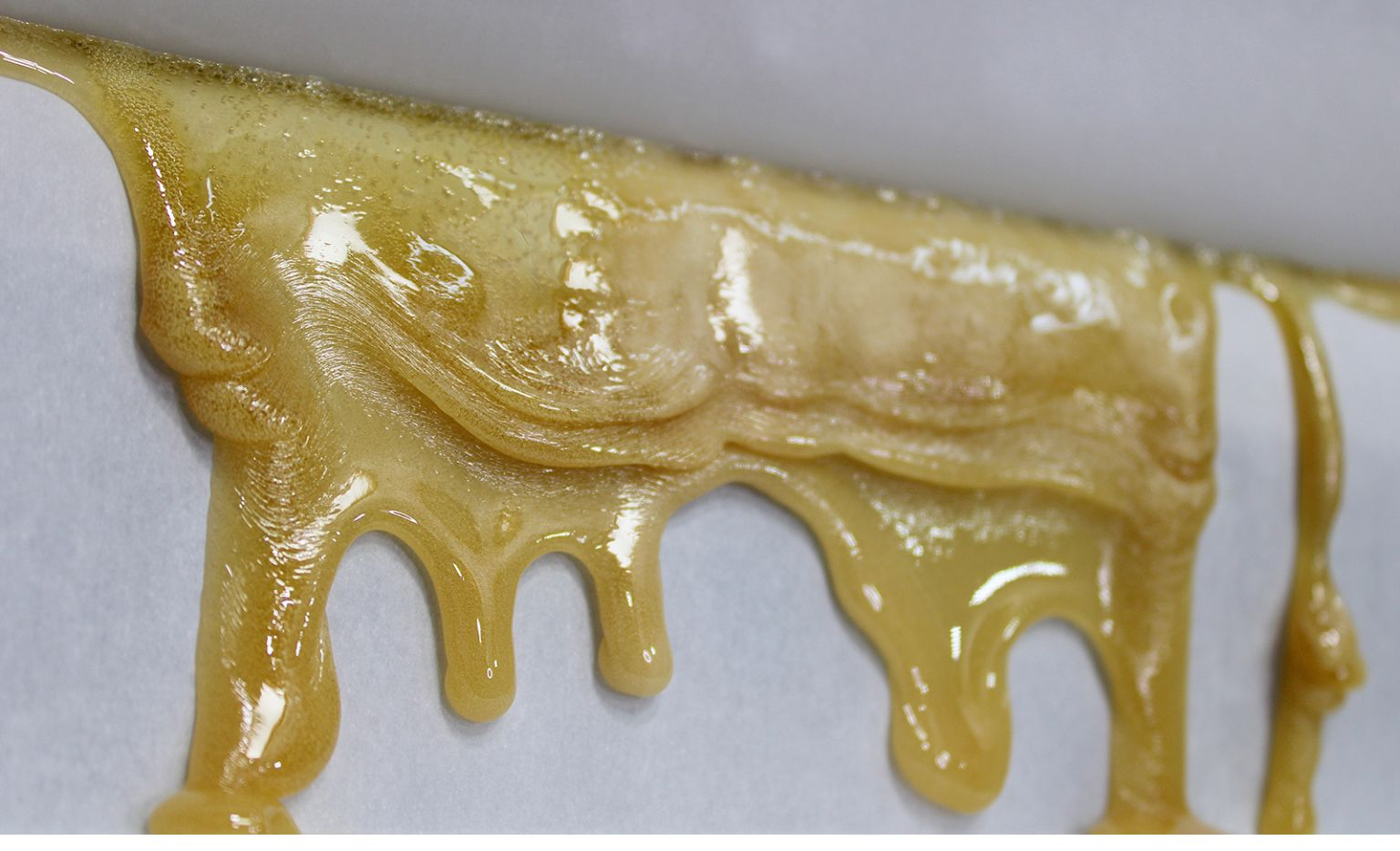
Rosin hash: what it is and how to make it
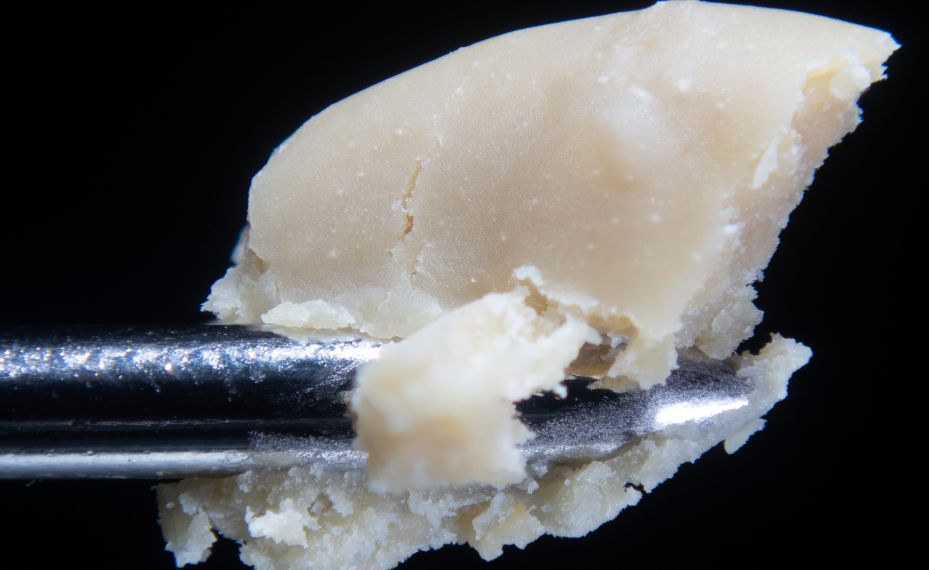
What is Hash Rosin?
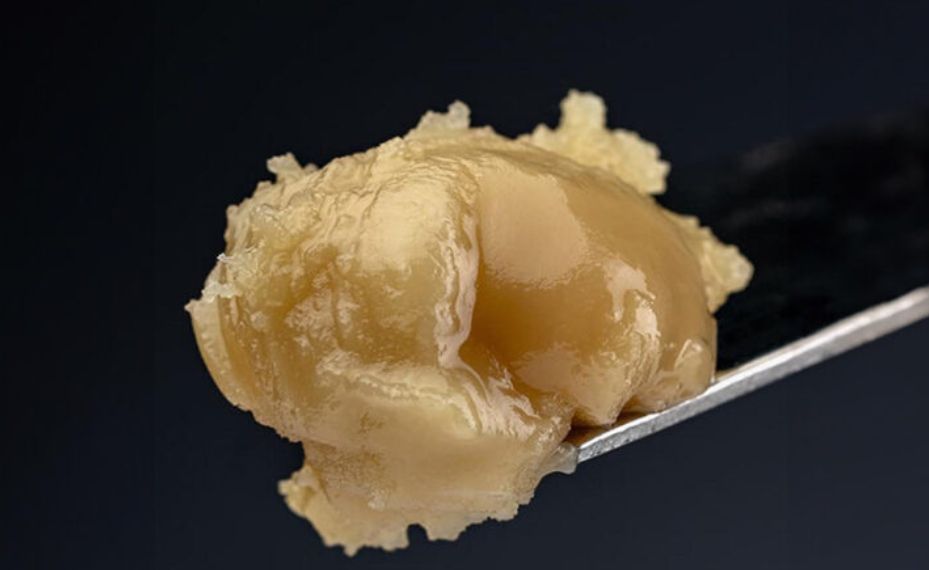
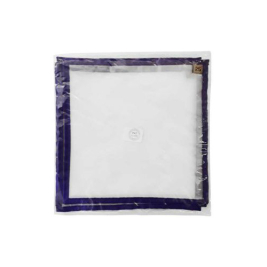
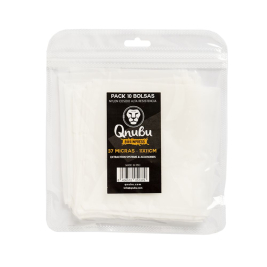
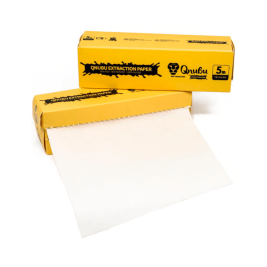
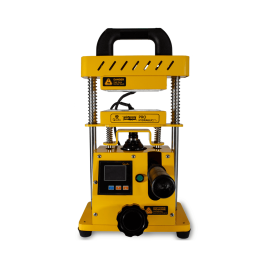
Rosin is a cannabis concentrate produced by applying pressure and heat to cannabis flowers or hash to obtain a concentrated oil. This extraction method requires the use of a Rosin Press which consists of a machine with two heating plates and a hydraulic press. To obtain clean oil, rosin bags are used with a specific micron rating and Rosin Paper which allows you to properly collect and handle the concentrate.
During the extraction process, the membranes covering the trichomes or resin glands present in the source material are broken, releasing the cannabinoid and terpenoid compounds that flow with gravity, allowing the hash-maker to collect the oil containing them.
The main advantage of Rosin over other extractions of the same purity is that it does not require external solvents like BHO and that its extraction does not require expensive tools like vacuum ovens (as in the case of BHO).
What types of Rosin are there?
There are different types of rosin depending on the source material:
- Flower Rosin, the simplest and most accessible, in which dried and cured buds are pressed. Its colour is darker as it carries compounds such as chlorophyll and requires higher temperatures.
- Hash Rosin, which uses Bubble Hash (Iceolator) or Kief obtained from dry flowers. It requires an intermediate step and some skill in the same to avoid vegetable matter passing through, so the state of the source flowers and their preservation until the time of extraction come into play. Its terpene content is lower than Live Rosin but its preservation is usually more consistent.
- Live Rosin or WPFF (acronym for Whole Plant Fresh Frozen) is considered the highest level rosin and is made from bubble hash of fresh frozen flowers that preserve the terpene profile to the maximum, the cannabis is not dried or cured beforehand. This process produces higher returns of concentrate in relation to the starting material and is considered the king of terpenes although it has greater degradation when exposed to room temperature so it must be stored cold.
How to make Rosin Hash?
The three keys to making Rosin Hash: Temperature, pressure and time
Temperature, Pressure and Time define the character of the rosin. But there is a fourth guest that many people undervalue: the humidity or stability of the material.
Indicative operating ranges (starting point, adjust according to genetics and objective):
| Source material | Approx. temperature | Estimated pressure | Approx. time | Description |
| Dry hash/kief | 80–90 °C | 300–700 psi | 60–90 s | Good balance between purity and yield. It is advisable to use medium micron mesh to avoid dragging waxes. |
| Bubble hash | 60–80 °C | 300–700 psi | 60–120 s | Cleaner aroma and creamy texture. Requires small micron mesh to maintain quality. |
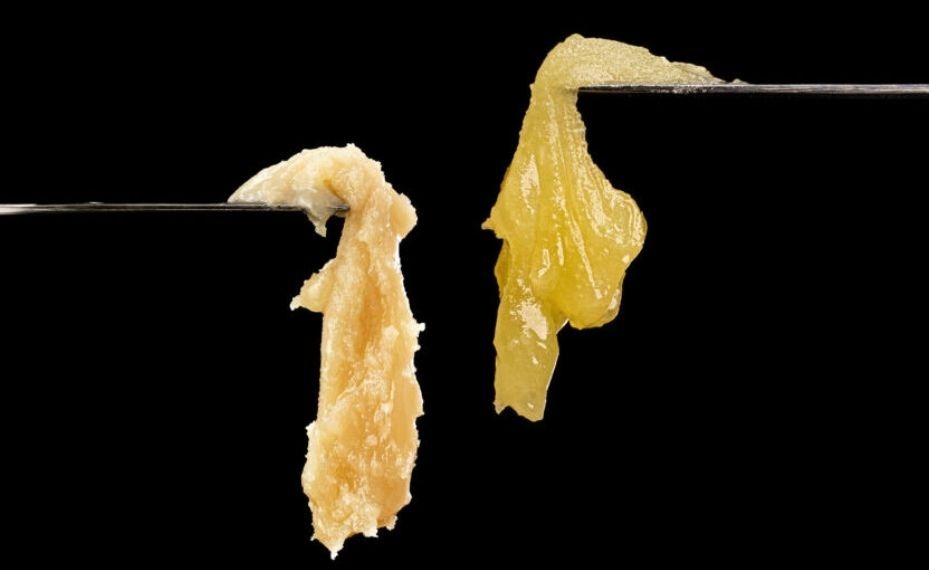
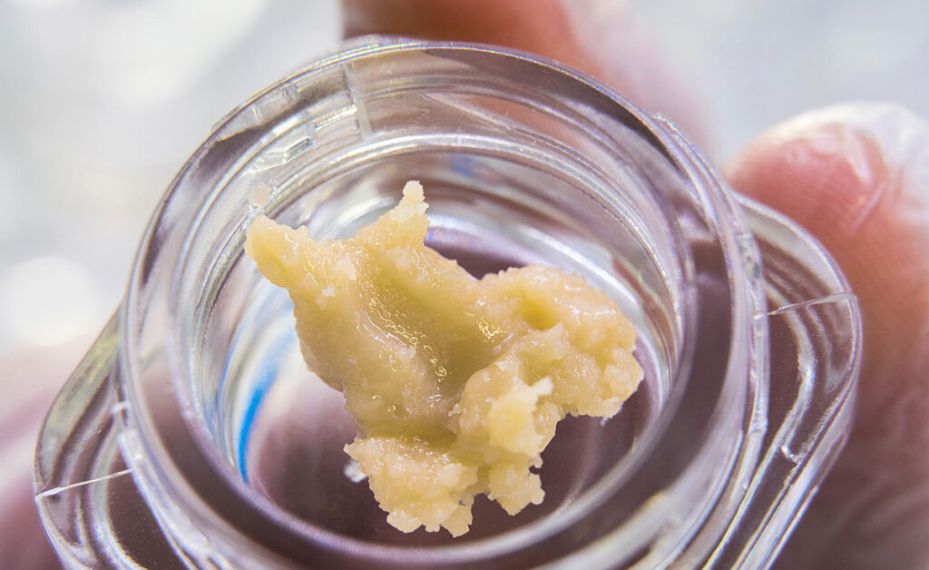
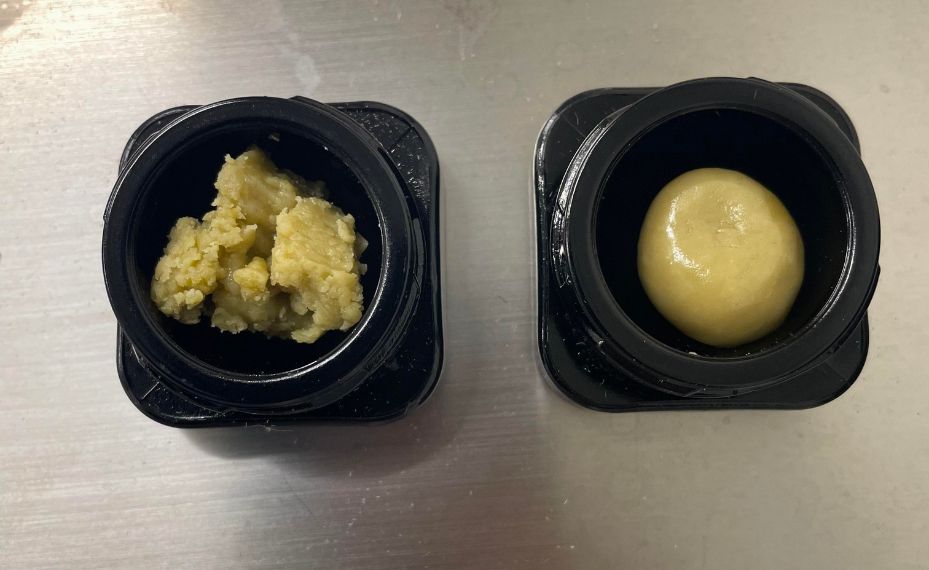
| Live Rosin – Badder | 60–65 °C | 300–600 psi | 90–150 s | After pressing it cures cold and is beaten, creating a waxy and homogeneous texture. |
| Live Rosin – Jam | 65–70 °C | 300–600 psi | 120–180 s | Golden jam with a grainy and crystallised texture. |
A control tip: apply pressure in ramps (perform several gentle pushes). Pressing all at once can introduce lipids and fibres into the extract.
Microns for achieving Top Rosin Hash
| Focus | Usual micron | When to use it? | Advantage | Risk |
| Maximum purity | 25–37 µm | Very clean hash (full-melt) | Very fine filtration; super top texture | Lower yield, longer purge time. |
| Balance | 45–73 µm | Correct hash | Good flavour and reasonable yield, quality/yield compromise | Some wax may pass through if the hash is rough. |
| Yield | 73–90 µm | Hash "worked" but not full-melt, need for volume | High flow, lower risk of blowout | More contaminants if the hash is not very good. |
- Technical sources place bubble hash comfortably between 15–37 µm when pursuing maximum purity.
- For dry sift/kief you see 25–75 µm as more normal ranges; there are manufacturers who accept 72–90 µm as a valid option when the aim is to increase yield with good hash.
Honest summary: if you prioritise clean terpenes and a creamy texture and your hash is of maximum quality, start with 25–37 µm; if you want more grams and your hash is decent, 45–73 µm works very well. If the material is less refined hash you will have to use a larger micron to avoid clogging the mesh with impurities, 73–90 µm will be an acceptable range to get good rosin.
Types of rosin presses and which scenario each one fits
- Manual (lever/wheel): economical entry point, direct control, ideal for hobby and small runs.
- Hydraulic: real tonnes with little effort; versatile, from serious home use to semi-pro.
- Pneumatic: smooth and repeatable control with compressed air; perfect on fixed workbenches (watch out for noise and compressor logistics).
- Electric: stable pressure without external pump; comfortable for clean environments.
- Hybrid: hydraulic cylinder with interchangeable manual/pneumatic/electric pump; designed to scale up without changing machines.
How to make Rosin? Control checklist
| Step | Action | Key details |
| 1. Prepare source material | Check hash/bubble hash humidity |
- Dry → thick rosin and low yield. - Wet → unwanted emulsions. |
| 2. Choose right micron | Select bags |
- 25–45 µm → bubble hash or full-melt. - 45–73 µm → kief or less refined hash. |
| 3. Form the "puck" | Compact material | Compact uniformly to prevent leaks and blowouts. |
| 4. Set temperature and pressure | Adjust parameters |
- Temperature according to material (hash, bubble hash, live rosin). - Progressive pressure: gentle → medium → target range. - Avoid applying all force at once. |
| 5. Monitor pressing time | Watch resin output |
- No single time. - Stop when flow decreases, even if suggested maximum time is not reached. |
| 6. Check extraction quality | Evaluate rosin |
- Uniform golden colour = good quality. - Dark = excess heat/pressure. |
| 7. Post-pressing handling | Collection and curing |
- Use clean tools. - Avoid hand contact. - For badder/jam → apply cold or heat curing. - Record: temperature/time/pressure |
| 8. Storage | Store rosin |
- Non-porous silicone or glass containers. - Refrigerate 3–5 °C to preserve terpenes and stability. |
Conclusion
The art of pressing rosin does not depend only on pressing hard or heating more: it is a delicate balance between temperature, pressure, time and micron size. Every material responds differently, and that's the key to success. Adjust patiently, watch the output and learn from each pressing, and you'll turn your attempt into a memorable extraction.
Comments
No comments yet — be the first.