
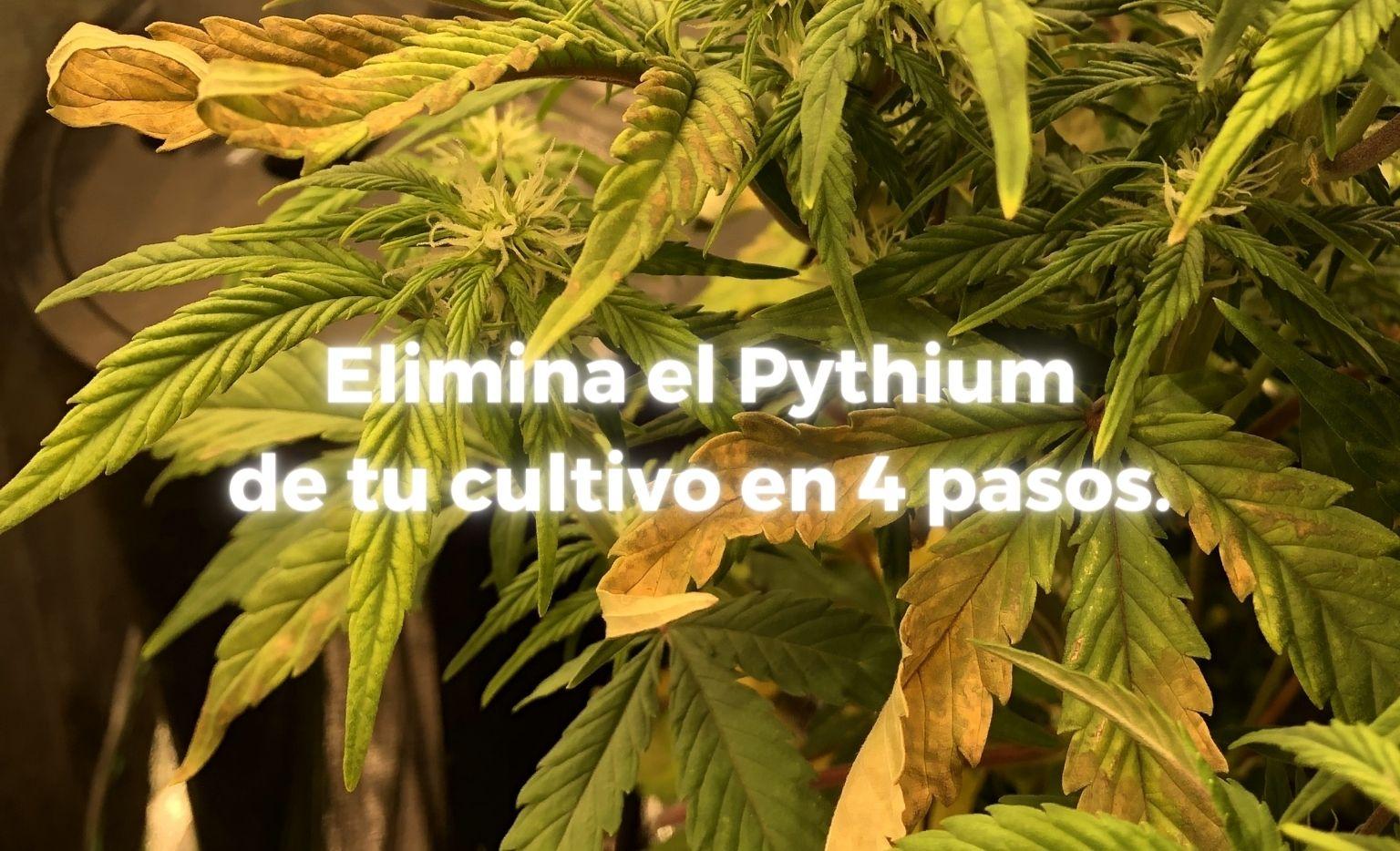
How to Combat Pythium
Growing plants, whether on a small or large scale, is always threatened by various pests and diseases that, if not controlled in time, can ruin all your hard work. One of these threats is Pythium, a pathogen capable of destroying entire crops. Below, we explain exactly what it is and how you can combat it effectively.
What is Pythium and why can it ruin your harvest
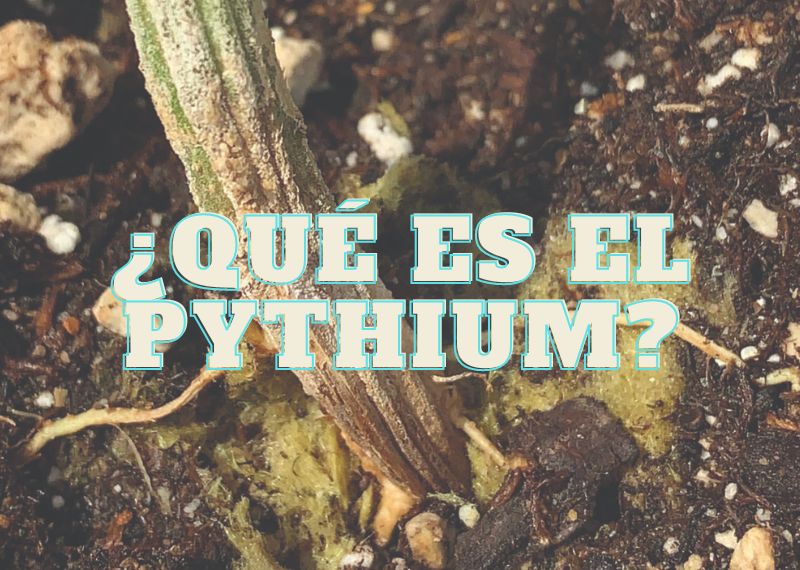
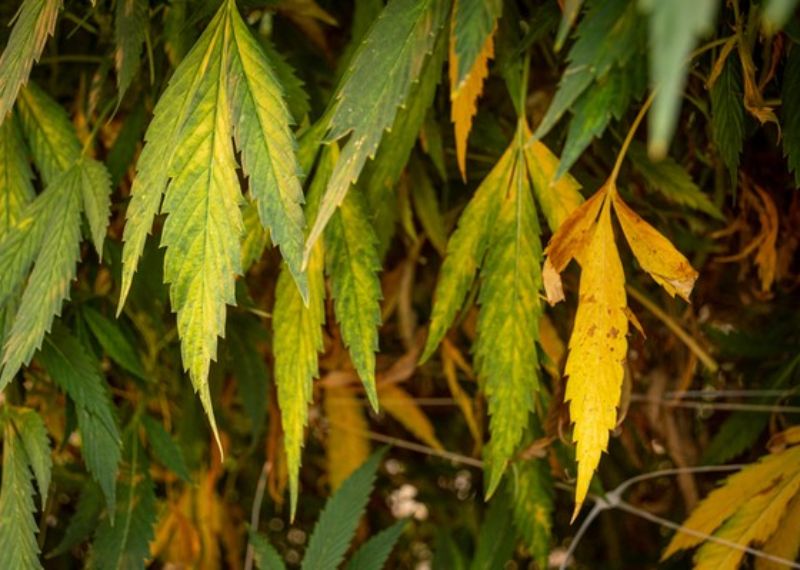
Pythium, classified as an oomycete, is often confused with fungi due to its similar morphological and behavioural characteristics (Jones & Aveskamp, 2009). This pathogen primarily affects plant roots and the base of the stem. When it infects, it prevents proper water and nutrient absorption, leading to symptoms such as wilting, yellowing and, in advanced cases, plant death (Weste & Marks, 1987).
How to combat Pythium in 4 steps
Based on various studies and findings, we have summarised how to combat Pythium in four fundamental steps:
1. Ensure optimal drainage
Humid environments are a breeding ground for Pythium. Several studies (e.g., Erwin & Ribeiro, 1996) have highlighted the importance of good drainage to minimise the spread of this pathogen. Making sure your soil or growing medium has adequate drainage is crucial.
2. Application of specific fungicides
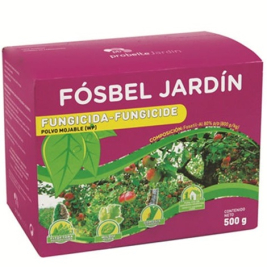
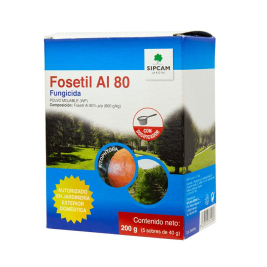
For an efficient Pythium treatment, scientific literature suggests the application of specific fungicides (Lamour & Kamoun, 2009). It is always essential to follow the instructions carefully and, if possible, consult with a specialist for correct application. We recommend some such as Horsetail, Fosetil, Belpron, Copperprot, Drycop 50 DF.
3. Adoption of hygienic cultural practices
Hygiene in cultivation is a fundamental pillar for preventing the spread of pathogens. Ensuring the cleaning and disinfection of tools and equipment can make a difference (Agrios, 2005). Additionally, the reuse of substrates that have previously come into contact with Pythium is not recommended.
4. Strengthening plants
A robust and well-nourished plant is less prone to disease. Thus, providing all essential nutrients, maintaining an appropriate pH balance and ensuring adequate lighting become essential practices (Lucas et al., 2014).
Conclusion
Evidence suggests that, with a combination of prevention and early action, it is possible to address the threat that Pythium poses to our crops. Investment in good agricultural practices and access to current literature are essential for any farmer or gardener seeking to optimise the health and productivity of their plants.
Bibliographic References:
- Jones, E.B.G. & Aveskamp, M.M. (2009). Taxonomy and phylogeny of Pythium species: A review. Mycological Research, 113, 1-16.
- Weste, G. & Marks, G.C. (1987). The biology of Pythium. Annual Review of Phytopathology, 25, 59-79.
- Erwin, D.C. & Ribeiro, O.K. (1996). Phytophthora diseases worldwide. American Phytopathological Society (APS Press).
- Lamour, K.H. & Kamoun, S. (2009). Oomycete genetics and genomics: Diversity, interactions and research tools. John Wiley & Sons.
- Agrios, G. (2005). Plant Pathology. Elsevier Academic Press.
- Lucas, J.A., García-Cristobal, J., Bonilla, A., Ramos, B., & Gutierrez-Mañero, F.J. (2014). Beneficial rhizobacteria from rice rhizosphere confers high protection against biotic and abiotic stress inducing systemic resistance in rice seedlings. Plant Physiology and Biochemistry, 82, 44-53.




Comments
No comments yet — be the first.