

How to Combat Powdery Mildew
What is Powdery Mildew and Why Can It Ruin Your Harvest
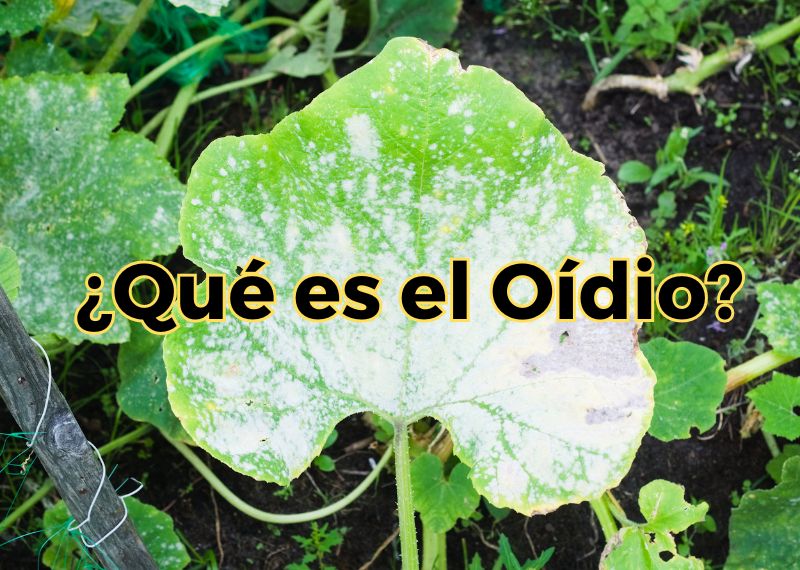
Powdery mildew, also known as powdery mildew, is a fungal disease that affects a wide variety of plants, including crops, ornamental shrubs and fruit trees. This fungus, belonging to the Erysiphaceae family, manifests as white powder coating the leaves, stems and, occasionally, the fruits of plants. Although its appearance may vary, powdery mildew tends to form a powdery layer on the surface of the affected parts.
Powdery mildew is a common problem in agriculture and gardening, as it can weaken plants, reduce their growth and, ultimately, diminish the quality and quantity of the harvest. Additionally, this disease can spread rapidly through spores released by the fungus, making it a potential threat to plant health.
How to Combat Powdery Mildew in 5 Steps
Treating powdery mildew is essential to prevent the spread of the disease and minimise its harmful effects on plants. Below are five key steps to combat powdery mildew effectively:
Step 1: Identification
- Early detection is fundamental. Regularly inspect your plants for signs of powdery mildew, such as white or grey spots on leaves and stems.
- If you notice any sign of infestation, immediately isolate the affected plants to prevent spread.
Step 2: Pruning
- Carry out proper pruning of infected areas. Remove affected leaves, stems and shoots, and dispose of them in a sealed bag to prevent spore dispersal.
Step 3: Fungicidal Treatments
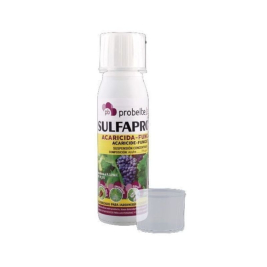
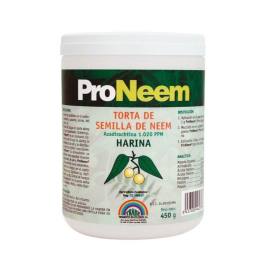
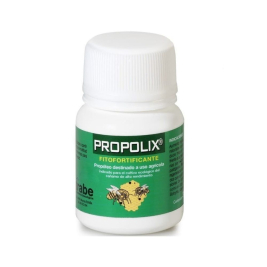
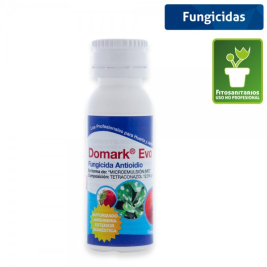
- Apply fungicides specific to powdery mildew following the manufacturer's recommendations. Products based on sulphur, neem oil or sodium bicarbonate are usually effective. We also have products such as OidioProt, Horsetail, Propolix or stronger ones such as Domark Evo and Lexor. which contains one of the most effective active ingredients (Difenoconazole) against Powdery Mildew and is approved for domestic gardening.
- Make sure to cover all areas of the plant, including the upper and lower leaves.
Step 4: Watering and Humidity
- Control the environmental humidity and adequate ventilation in the plant environment. Powdery mildew thrives in humid conditions.
- Water plants at the base rather than wetting the leaves to avoid excess moisture on the surface.
Step 5: Continuous Monitoring
- Carry out constant monitoring of your plants to ensure there are no signs of powdery mildew recurrence.
- Repeat fungicidal treatments as necessary and maintain good hygiene in your garden or crop.
By following these steps, you can effectively combat powdery mildew and protect your plants. Remember that prevention and continuous monitoring are essential to keep your crops and gardens healthy.
References:
- Jones, R.K., 2018. "Powdery Mildew." The Plant Health Instructor, APSnet Features. doi: 10.1094/PHI-I-2018-0917-01.
- Gubler, W.D., 2010. "UC IPM Pest Management Guidelines: Powdery Mildew on Ornamentals." University of California Statewide Integrated Pest Management Program.




Comments
No comments yet — be the first.