
Microorganisms
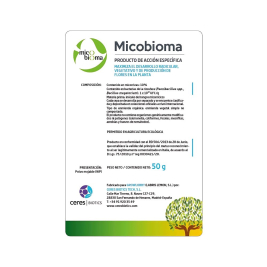
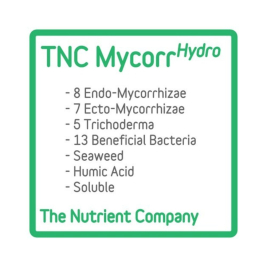
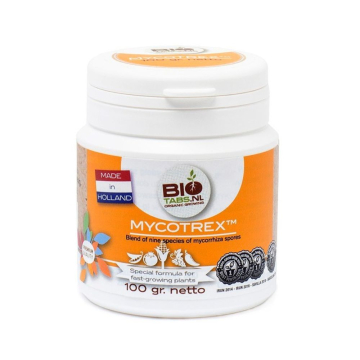
In this category we present you with a selection of products with beneficial microorganisms for plants very common in organic crops and with different properties such as root stimulator, fungicide and flowering stimulator.
Featured in Microorganisms
-
-
-

-

-
 -15%
-15% -
 -15%
-15% -
-

-

-
-
-

-

-

-
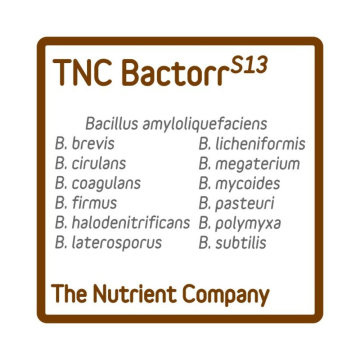
-
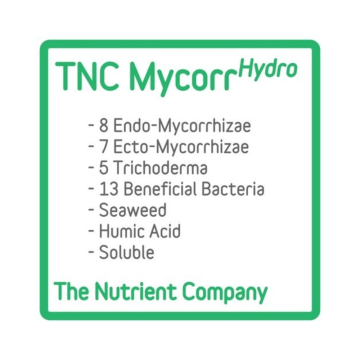
-
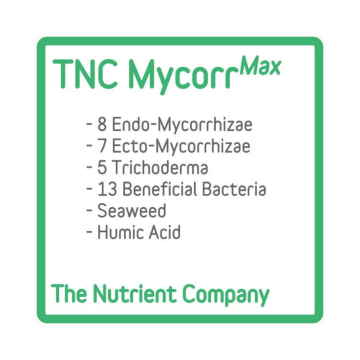
-
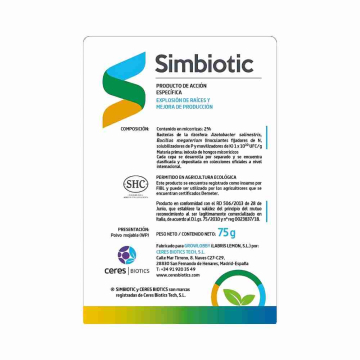
-
-

-
 -15%
-15% -
 -10%
-10% -
 New
New -
 -15%
-15%
When we refer to soil microbial life, we must understand that it encompasses all the microorganisms beneficial to plants that develop in the growing medium, and from that moment become a fundamental part of the root ecosystem of plants. This supplement for your crops is perfect for improving the effectiveness of organic fertilisers as its use contributes to easier nutrient assimilation.
Through plant microorganisms, the necessary nutrients will be released for your crops, which will allow you to improve your production results, and help you achieve strong growth without needing to use mineral fertilisers.
TYPES OF BENEFICIAL MICROORGANISMS FOR PLANTS
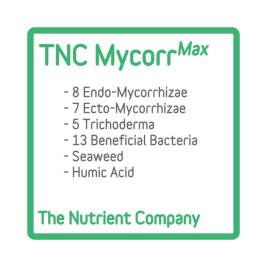
Among all products in this category, most contain combinations of different types of microorganisms that each manufacturer has selected for greater effectiveness. There are also some that contain a specific strain of bacteria, mycorrhiza or fungus. Below we explain what types of plant microorganisms exist:
- Nitrogen-fixing bacteria: Rhizobium, Azospirillum. They allow plants to fix atmospheric nitrogen without needing to extract it from the substrate.
- Phosphorus-solubilising bacteria. One of the least mobile nutrients. Pseudomonas and Bacillus.
- Growth-promoting bacteria: Azospirillum, Bacillus, Pseudomonas fluorescens.
- Mycorrhizae: Symbiotic fungi that can be endo and ectomycorrhizae. They have functions of improving nutrient uptake and protection against stress and drought.
- Trichodermas: Beneficial fungus, very voracious and protects plants from all types of soil diseases.
BENEFITS OF MICROORGANISMS FOR PLANTS
The use of plant microorganisms in different types of crops is very widespread, although mainly its use is aimed at organic applications that seek to maximise yield without resorting to mineral or synthetic products that could damage organoleptic properties. Below we summarise some of the advantages of using this type of products:
- Improvement of soil quality: Beneficial microorganisms can help improve the structure and texture of the soil, increasing its porosity and facilitating nutrient absorption by plant roots.
- Increased resistance to stress and disease: By introducing beneficial microorganisms into the soil, a balance is created that can help protect plants against environmental stress and soil diseases very common in all types of crops.
- Increase in root mass: Beneficial microorganisms can promote plant root growth, which in turn can increase nutrient and water uptake. This can result in greater plant growth and development.
- Improvement in nutrient availability: By breaking down organic matter, beneficial microorganisms release essential nutrients for plants, such as nitrogen, phosphorus and potassium. This can reduce the need for chemical fertilisers and improve overall soil health.
- Exuberant vegetative development: By having a healthy soil microbiota, plants can develop a stronger and healthier root system, which in turn promotes exuberant foliage growth and flower or fruit production.
- Protection against disease: Beneficial microorganisms can also help protect plants against harmful pathogens by competing for resources and producing antimicrobial compounds. This can reduce the need for pesticides and fungicides, which is beneficial for the environment.
Enjoy responsible cultivation with the environment by caring for the soil for sustainable development.