
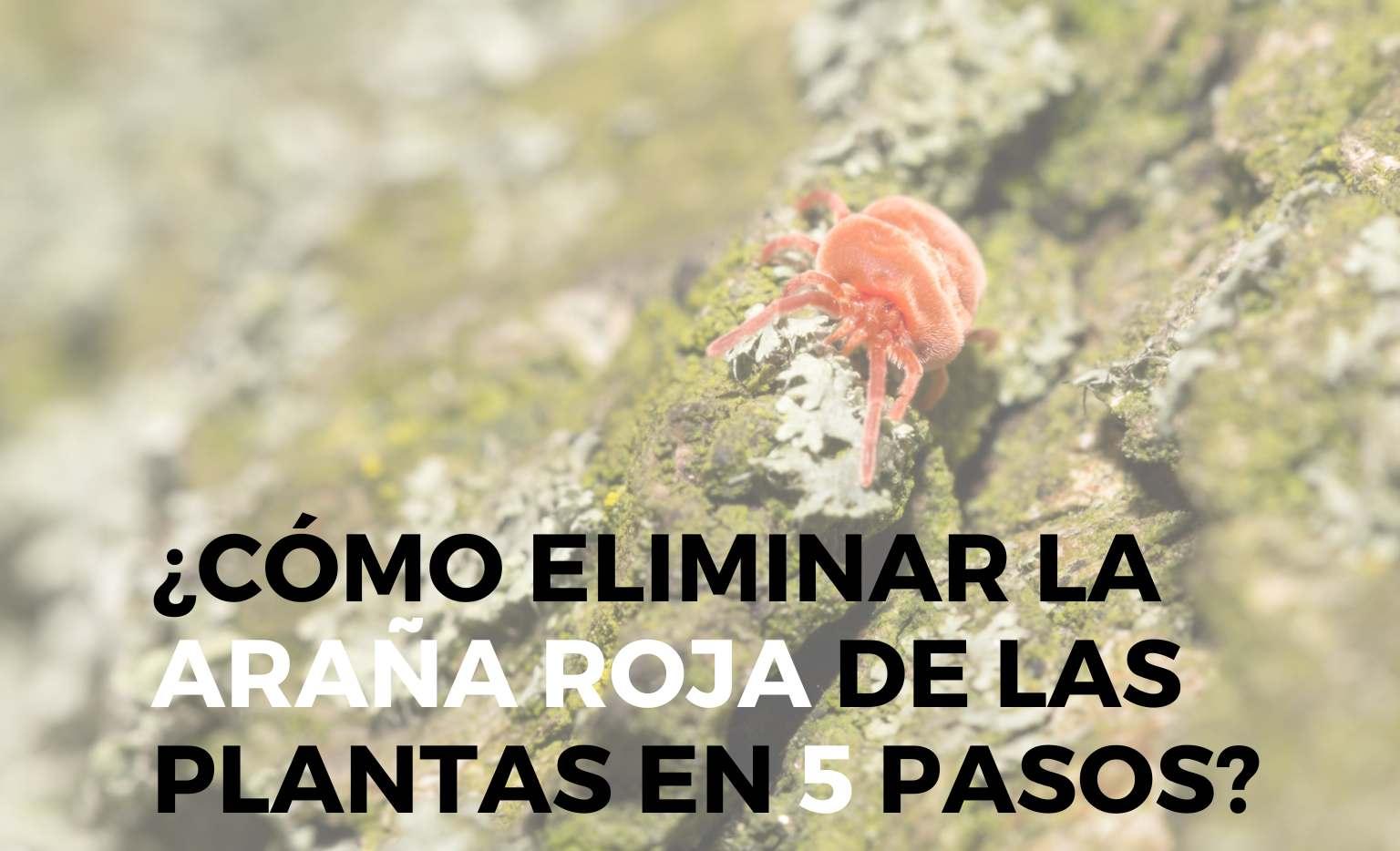
How to Eliminate Spider Mites from Plants in 5 Steps
What is the Red Spider Mite and why can it ruin your harvest?
The red spider mite, scientifically known as Tetranychus urticae, is a tiny arachnid that can become a nightmare for your precious plants. A very common pest that affects numerous types of crops and can generate serious consequences in any cultivation, since under suitable conditions its reproductive capacity is very high. Without a doubt, it is the species that most affects greenhouses, outdoor and indoor crops worldwide.
Despite its name, the red spider mite is not actually an insect, but a type of mite that feeds on plant sap. If not controlled in time, it can multiply rapidly and wreak havoc in your garden or crop, weakening plants and reducing the quality and quantity of your harvest.
The red spider mite goes through different stages during its development. These stages include the egg, the larva, the protonymph, the deutonymph and finally the adult stage. During the larval and nymphal phases, there is an alternation between periods of activity and moments of rest, and surprisingly, the duration of these periods is practically identical. Eggs are generally found on the underside of leaves and have an oval shape that curves at its rear end. As for their colouration, eggs can range from shades of orange, light yellow or pale green to darker shades such as intense green, red, brown or even nearly black.
You should note that this mite develops easily in environments of low relative humidity and elevated temperatures. If you want to reduce its activity or create conditions that reduce the likelihood of this mite developing, we recommend raising the relative humidity above 60% and always maintaining a crop temperature below 24°C.
What are the symptoms and damage caused by the red spider mite in a crop?
The larvae, the nymphs and the adult individuals cause serious damage to the host plants, as they feed on their sap. They are generally found on the underside of leaves, where they pierce the cells to extract nutritional content.
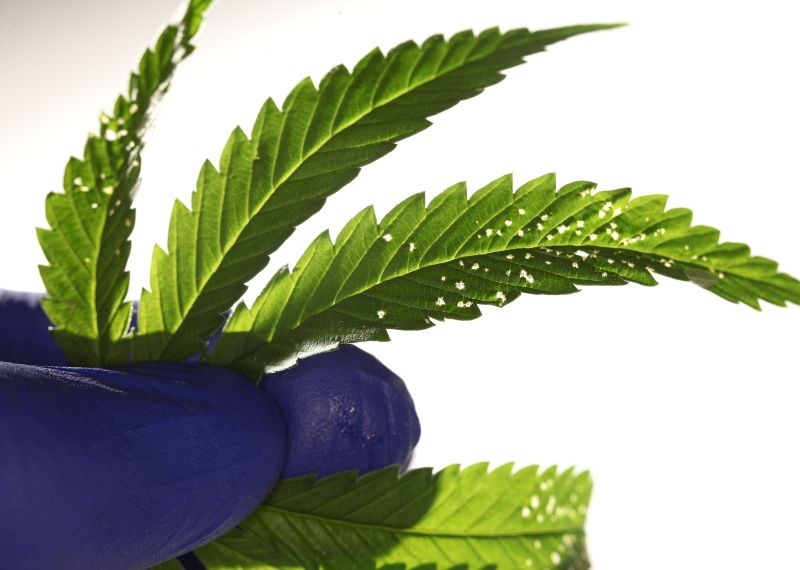
The empty and lifeless cells take on a yellowish tone and, in many plants, the damage is also evident on the upper surface of the leaves, manifesting as small yellow spots. Cell deterioration leads to a reduction in photosynthesis capacity, an increase in transpiration and a reduction in the overall growth of the plant. As the damage increases, the leaves turn yellow and, due to greater sap loss, the plant can eventually suffer necrosis. In certain types of crops, a 30% infestation of the leaf area can trigger total loss of the harvest. Nymphs and adults build spider webs, which become their home, giving plants a noticeably covered appearance. These webs and the spots on the leaves affect the overall aesthetic of the crop, which is particularly concerning in the context of ornamental crops.
How to Fight Red Spider Mite in 5 Steps
Step 1: Early Identification and Constant Monitoring
The key to successfully eliminating the red spider mite is early detection. Carry out regular monitoring of your plants for signs of infestation, such as yellowing leaves, tiny white dots or fine spider webs on the underside of the leaves. Use a magnifying glass if necessary to examine your plants carefully and act quickly if you spot any signs of red spider mite.
Step 2: Increase Environmental Humidity
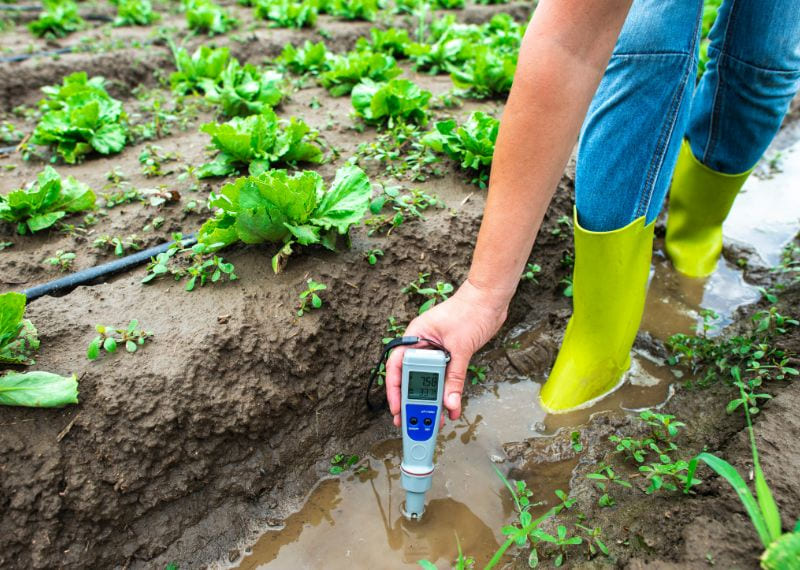
The red spider mite thrives in conditions of low humidity, so an effective way to combat it is to increase the environmental humidity around your plants. Water regularly and use water sprayers to maintain the appropriate level of humidity. Additionally, you can place trays of water near your plants to make the environment less favourable for these mites.
Step 3: Cleaning and Removal of Infested Leaves
The red spider mite tends to accumulate on the underside of leaves. Carefully examine your plants and, if you find heavily infested leaves, remove and discard them away from your crop. This will reduce the mite population and prevent them from spreading to other parts of the plant.
Step 4: Introduce Natural Predators
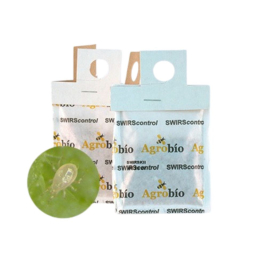
There are natural predators of the red spider mite that work very well to combat it. Among others you can find predatory mites such as Neoseiulus Californicus, Amblyseius Californicus, Amblyseius Andersoni, Phytoseiulus Persimilis, Amblyseius Swirskii and others such as the bug Orius Laevigatus that can help control their population. Consider introducing these natural enemies in your garden to keep the red spider mite at bay in an ecological and sustainable manner.
Step 5: Application of Acaricide Treatments
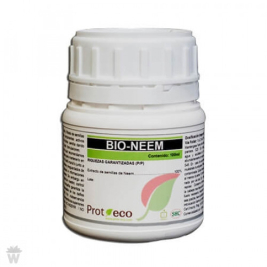
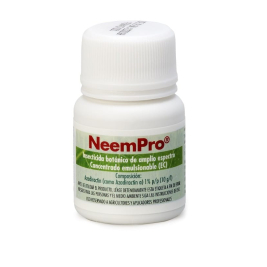
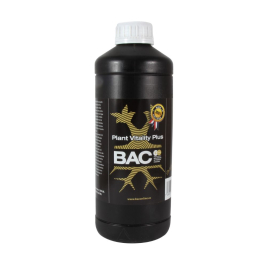
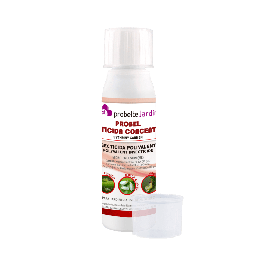
If the red spider mite infestation persists, you can resort to natural or chemical treatments to combat it. Mixtures based on rapeseed oil, potassium soap, pyrethrins, neem oil, plant vitality or garlic extract are effective options for eliminating these unwanted mites. You can also opt for more aggressive treatments such as Skunk, Shark or Probel. Be sure to follow the instructions for use and apply treatments evenly to all parts of the plant.
Note that adult populations often develop resistance to acaricide active ingredients, so it is not recommended to apply a product more than 3 or 4 consecutive times. For greater effectiveness, we recommend rotating the active ingredients.
Remember that patience and consistency are key in fighting the red spider mite. Follow these five steps and maintain careful control over your plants to eliminate and prevent future infestations. With a diligent approach, you will be able to enjoy a lush garden and abundant harvest without the nuisance of the red spider mite. Your effort will be worth it!
Comments
No comments yet — be the first.