
Plant Micropropagation - In Vitro Cultivation
Micropropagation of plants, also known as in vitro cultivation, is a revolutionary technique in plant propagation that allows the production of large quantities of genetically identical plants in a short period of time. In this article, we will explore in detail what micropropagation is, the different types of micropropagation and the advantages offered by this technique in the field of horticulture and agriculture.
What is micropropagation?
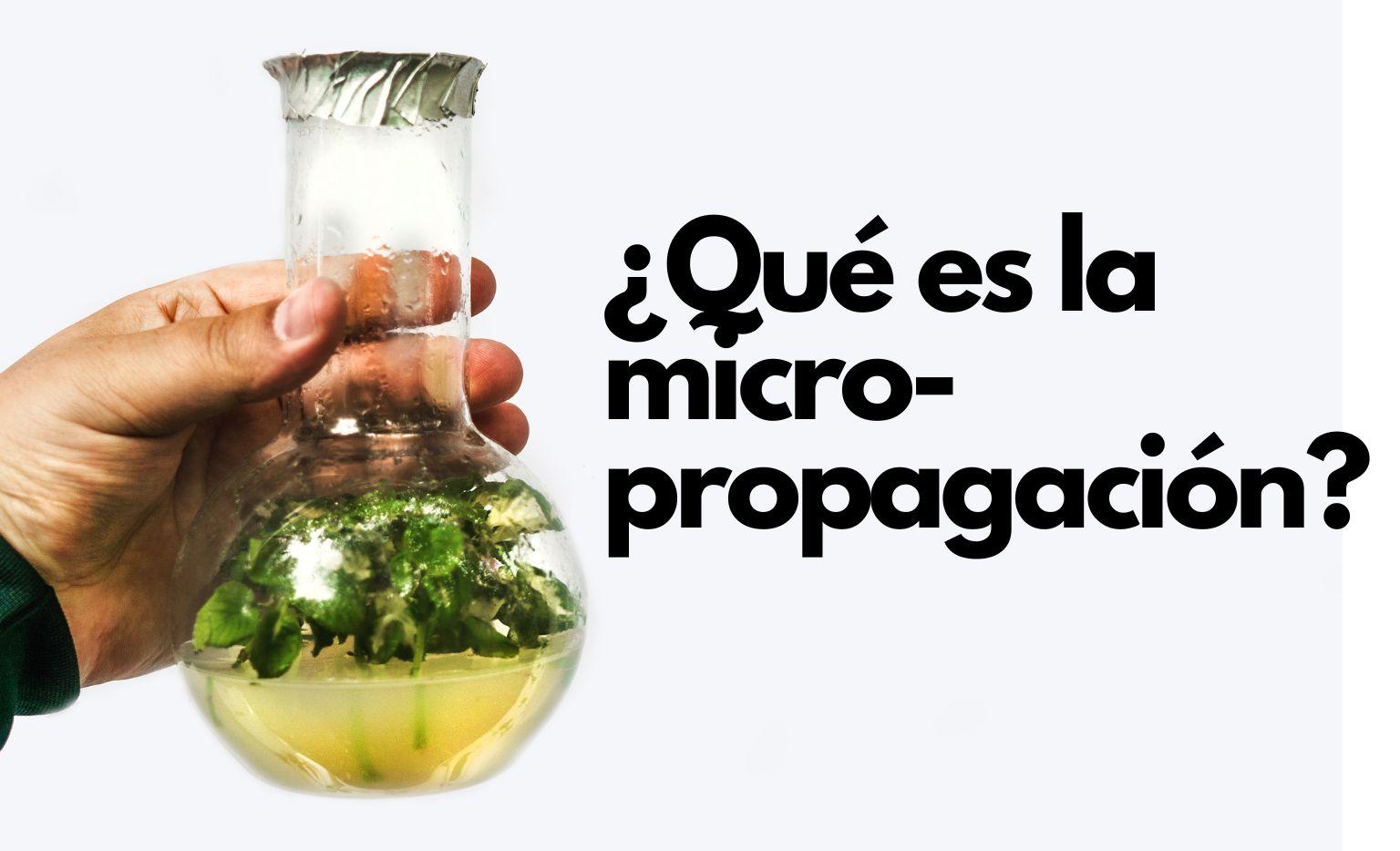
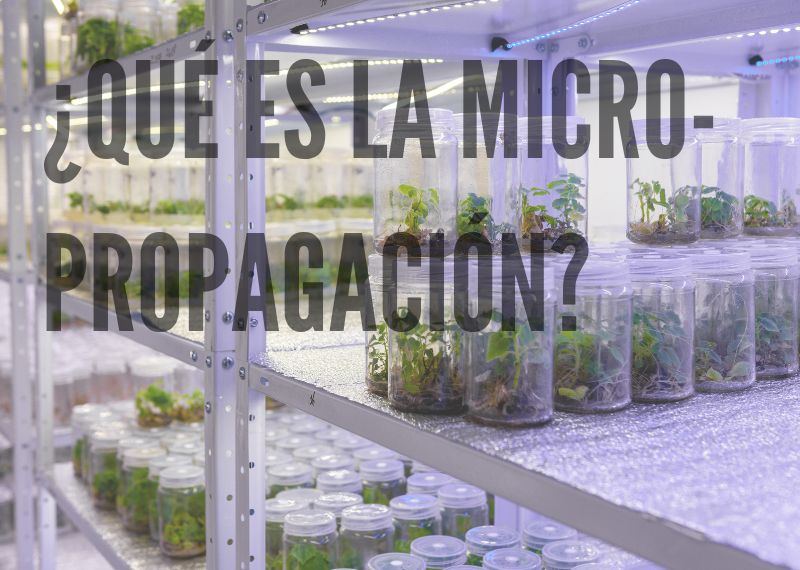
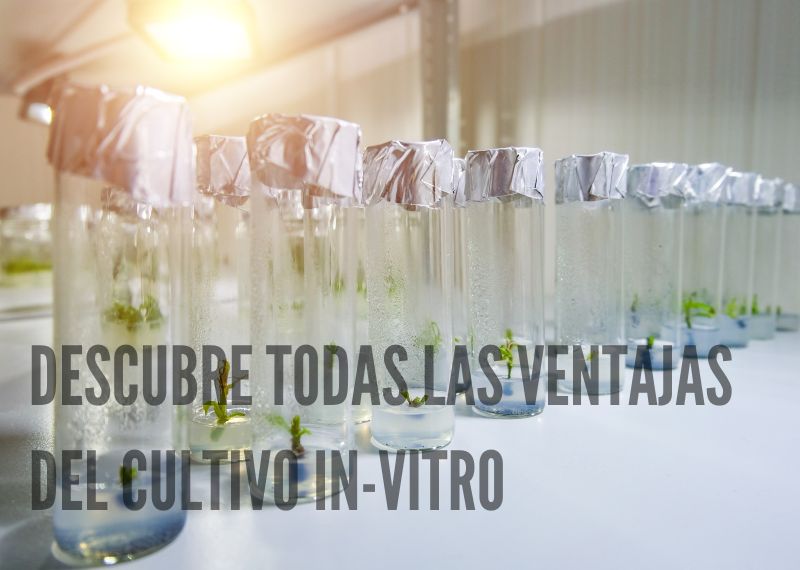
Micropropagation is a plant reproduction technique in which small parts of a mother plant are used to produce numerous daughter plants under controlled laboratory conditions. The process is carried out in an in vitro culture medium, which consists of a gel or substrate containing the nutrients and hormones necessary for plant growth and development.
Micropropagation allows for the mass production of genetically identical plants, known as clones, in a short period of time. This is possible thanks to the ability of plant cells to regenerate and form new structures, such as shoots and roots, from small tissue explants.
Types of micropropagation
There are different micropropagation methods used depending on the characteristics of the plants and the propagation objectives. Some of the most common types of micropropagation are:
Shoot multiplication:
In this method, small fragments of plant tissue, such as apical buds or meristems, are taken and cultured in in vitro culture media. These explants develop new shoots that are subsequently separated and cultured individually to generate new plants.
Organogenesis:
Organogenesis involves the regeneration of specific structures, such as roots, stems or leaves, from tissue explants. This method is used when it is desired to obtain complete plants from specific parts of the mother plant.
Somatic embryogenesis:
In this type of micropropagation, plant cells are induced to develop somatic embryos, which are structures similar to embryos formed in the natural fertilisation of a seed. These somatic embryos are cultured in culture media to develop new plants.
Advantages of micropropagation
Micropropagation offers a number of significant advantages compared to traditional plant propagation methods. Some of the main advantages are:
Mass production:
Micropropagation allows for rapid and mass production of genetically identical plants in a limited space. This is especially beneficial when large quantities of plants are required for commercial purposes, such as the production of seedlings for the horticultural industry.
Germplasm conservation:
Micropropagation is a valuable tool for the conservation of plant species and varieties in danger of extinction or of agricultural interest. It allows for the propagation and preservation of valuable plants in sufficient quantities for their conservation and future use.
Disease elimination:
By propagating plants under aseptic conditions in the laboratory, the risk of disease and pathogen transmission is significantly reduced. This is especially important in the production of disease-free plants to ensure their quality and health.
Genetic uniformity:
Micropropagation allows for the production of genetically identical plants, which ensures high uniformity in terms of characteristics and performance. This is particularly valuable in the production of ornamental plants and high-value commercial crops.
Overcoming conventional propagation barriers:
Some plant species present difficulties in their propagation through conventional methods, such as seed germination or cutting rooting. Micropropagation offers an effective solution to overcome these barriers and propagate such species efficiently.
Conclusion:
Micropropagation of plants, or in vitro cultivation, is an innovative and efficient technique that has revolutionised plant propagation in horticulture and agriculture. Through mass production of genetically identical plants, micropropagation offers significant benefits, such as germplasm conservation, disease-free production and genetic uniformity. As a powerful tool in the plant industry, micropropagation continues to play a crucial role in crop improvement and the preservation of valuable species.







Comments
No comments yet — be the first.