
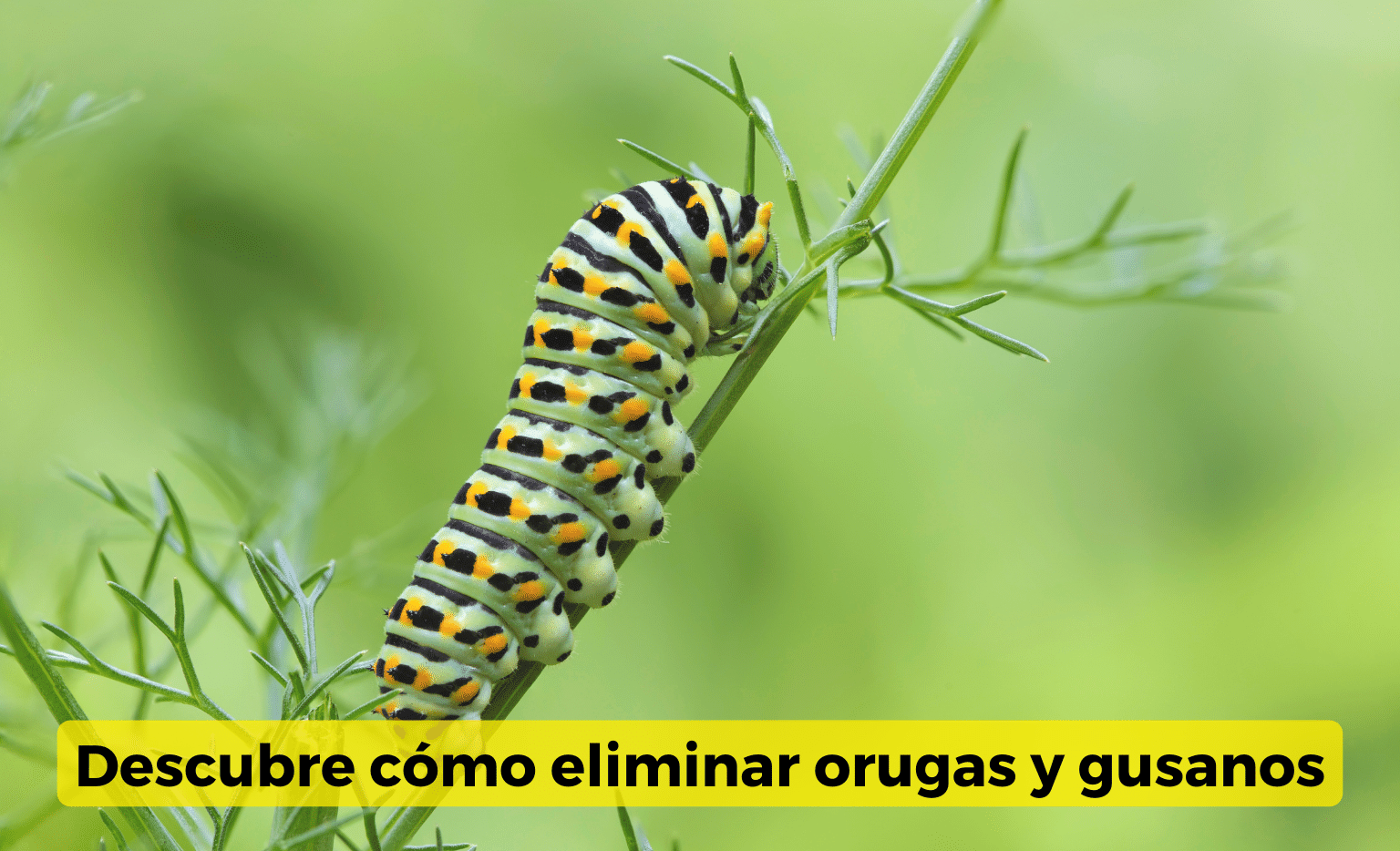
How to Remove Caterpillars and Worms from Cannabis
Cannabis cultivation, like any other agricultural practice, faces its own problems and challenges. One of the issues affecting every outdoor grower is this small and seemingly insignificant insect that can seriously compromise plant health and bud quality. In this article, we'll address some of the most effective methods for eliminating caterpillars and green worms from cannabis plants. We'll also discuss how the use of insecticides, both chemical and biological, can be a valuable tool in this process and where you can buy insecticides online safely and effectively.
The Enemy in the Bud
Caterpillars, which often become butterflies or moths, can be a real problem in cannabis cultivation. These pests feed on leaves, stems and, most critically, the plant's buds. The presence of caterpillars in buds not only damages the plant's appearance and structure but can also trigger mould development due to their droppings, and plant tissue ends up rotting with botrytis appearing across all affected surfaces.
Identification and Manual Removal
The first step in combating caterpillars is early identification. Regularly inspect your plants, paying special attention to the underside of leaves and the interior of buds, where these creatures usually hide. If you find caterpillars, remove them manually using gloves to avoid transferring any disease or bacteria.
The Green Worm: A Stealthy Intruder
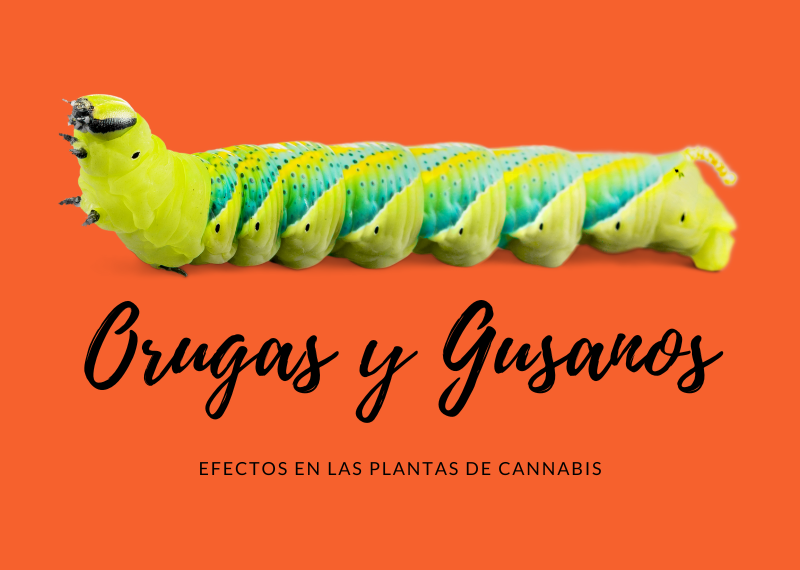
The green worm is another common visitor to cannabis plants. These worms, usually larvae of moths or butterflies, camouflage themselves with the colour of leaves and stems, making them difficult to detect. They voraciously consume plant parts, and their presence is usually detected by the damage they cause.
Natural Control Methods
- Introduction of natural predators: Add beneficial insects such as ladybirds and praying mantises that feed on caterpillars and worms.
- Pheromone traps: Used to attract and capture adult moths before they can lay eggs.
- Physical barriers: Such as fine mesh or row covers, which prevent insects from reaching plants.
- Insecticides: When infestation is severe, it may be necessary to resort to insecticides against caterpillars. There are two main categories: chemical and biological.
Chemical Insecticides
Insecticides contain active ingredients created in the laboratory and designed to eliminate pests quickly and effectively. However, their use on cannabis plants should be cautious taking into account safety periods before harvest, as residues can affect the purity and safety of the final product.
Biological Insecticides
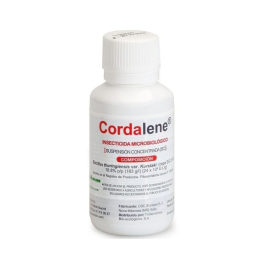
Biological insecticides are a preferred option for many growers who are mindful of the environment and health. These products use microorganisms or active ingredients derived from plants or other living things to combat pests. For example, Bacillus thuringiensis (Bt) is a bacterium that produces toxins lethal to caterpillars but is safe for humans and other animals.
Comments
Leave a comment
No comments yet — be the first.