

What Apical Pruning is and What it's Used For
Apical pruning represents an invaluable gardening technique, especially relevant in indoor growing environments, where every centimetre of space and every ray of light must be optimised for plant production. This strategy, which involves the deliberate cutting of the apex or top growth point of the plant, is an ancient practice that has been perfected over centuries. In this article, we will delve into apical pruning, its methods and its relevance in contemporary horticulture, emphasising how this technique integrates with modern tools and resources
Fundamentals of Apical Pruning
Before delving into the how, it is vital to understand the what. Apical pruning is not merely a physical cut; it is an informed decision to alter the plant's physiology. By removing the apex, the site of the highest concentration of auxins — plant growth hormones — the plant's fate is changed. Auxins inhibit the growth of lateral shoots, so by eliminating the primary source, we allow the plant to develop a more branched and less vertical structure.

The Right Time for Pruning
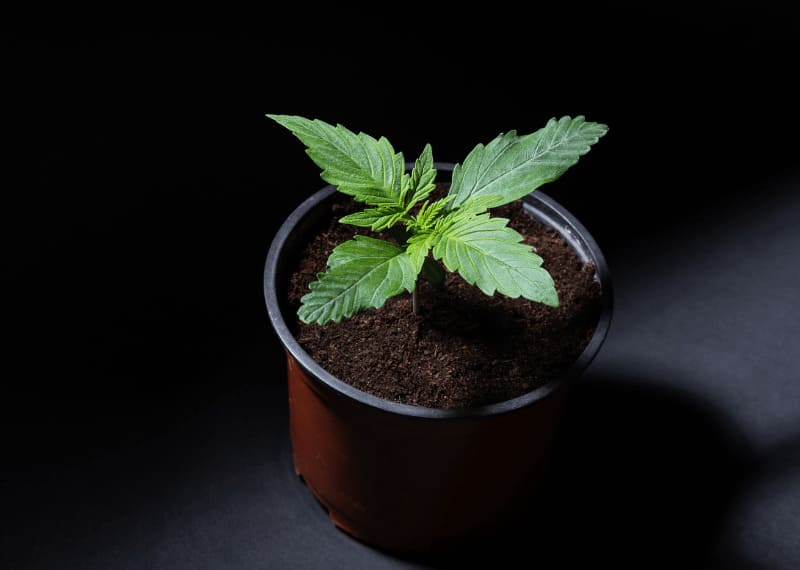
The timing of apical pruning is as crucial as the technique itself. The question of when to carry out this strategic cut is answered by careful observation of the plant. In general terms, the ideal moment arrives when the plant has established a solid root system and shows between 3 and 5 pairs of true leaves. This point of maturity indicates that the plant can withstand a change in its growth pattern without compromising its health or productivity.


Signs of Plant Maturity
- The main stem of the plant changes texture to a more woody and mature appearance, becoming less tender.
- Once the plant's leaves develop fully.
- When there is a clear absence of signs of stress or disease
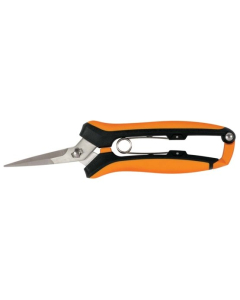
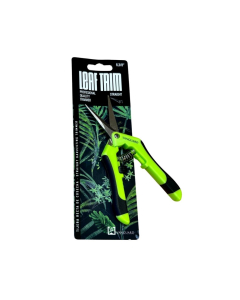
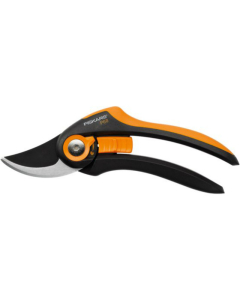
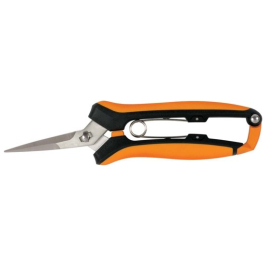
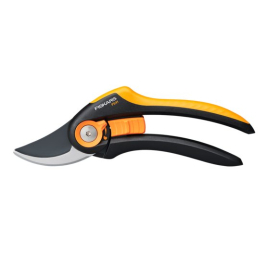
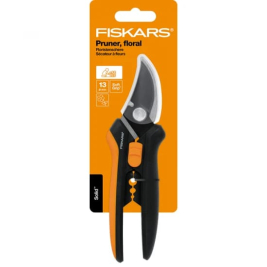
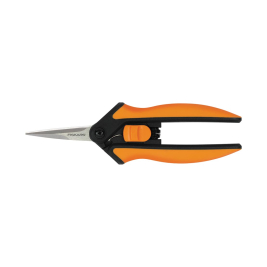
Once the opportune moment has been determined, the execution of apical pruning must be precise. To do this, use sterilised tools such as pruning shears or sharp blades, and disinfect them during the work as this helps prevent pathogen transmission between plants. A clean and angled cut just above a healthy node will stimulate the plant to divert its energy to the lateral shoots, creating a more horizontal and manageable structure.
Steps for Successful Pruning
- Identification of the apex where the cut is to be made.
- Preparation and sterilisation of the space and tools to be used.
- Make a precise and clean cut
- Provide detailed post-pruning care to ensure stress-free recovery
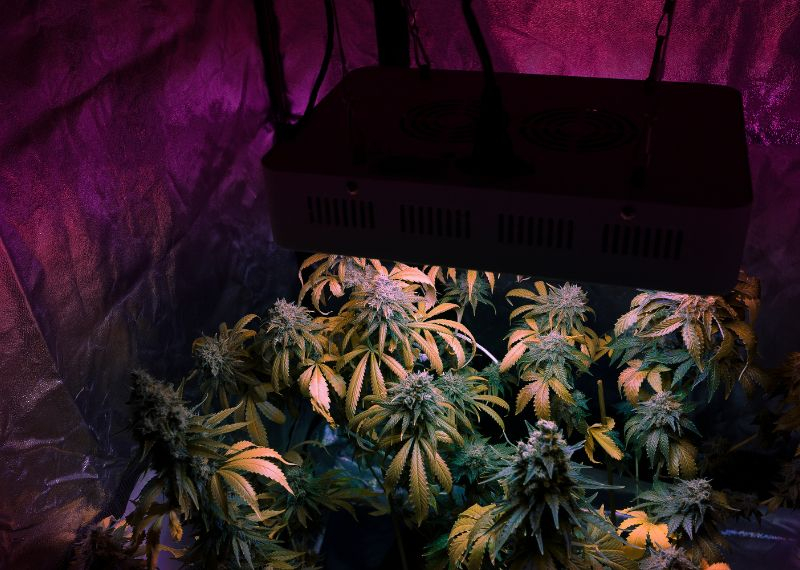
In an indoor growing environment, apical pruning becomes even more important. The management of space and artificial light requires a meticulous approach to ensure that each plant not only has its space to develop but also its fair share of light. Here, apical pruning becomes a tool that allows you to shape plants according to the specific needs of the space and existing lighting conditions.

Comments
No comments yet — be the first.