
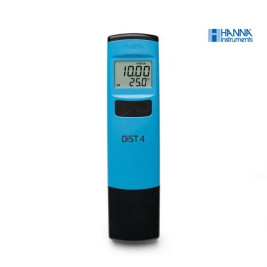
EC Meters
The EC metre, or conductivity metre, measures the electrical conductivity of your irrigation water and reflects the concentration of dissolved salts and nutrients. With it, you know whether your nutrient solution is over or under-fed and can adjust your dosage with precision.
Featured in EC Meters
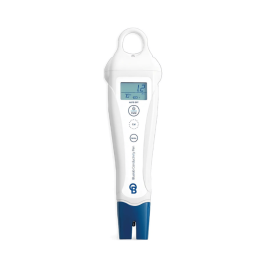
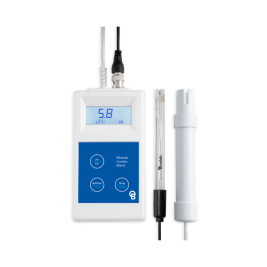
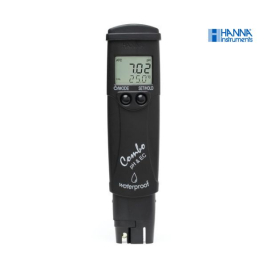
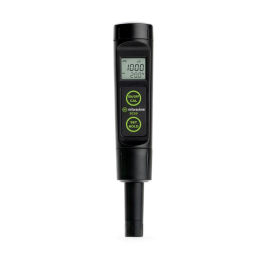
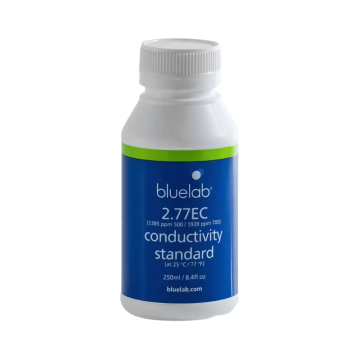
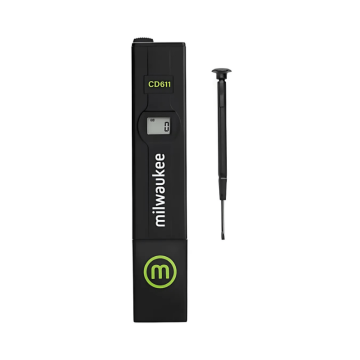
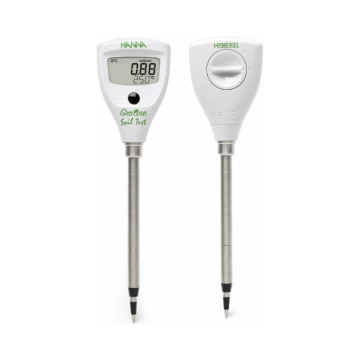
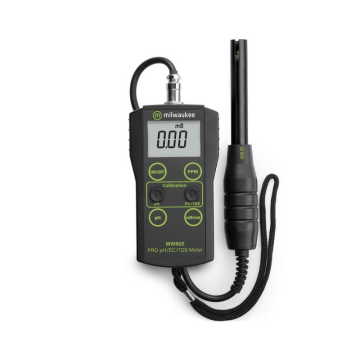
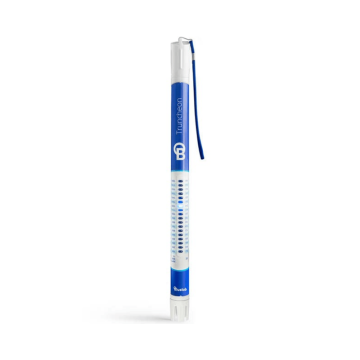
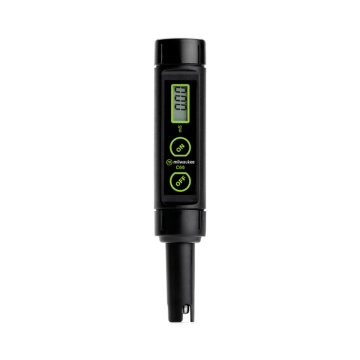
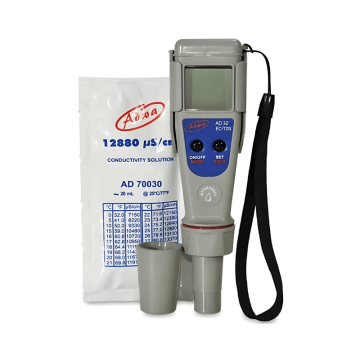
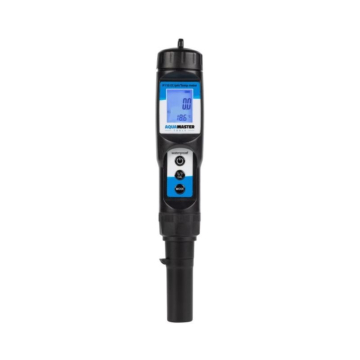
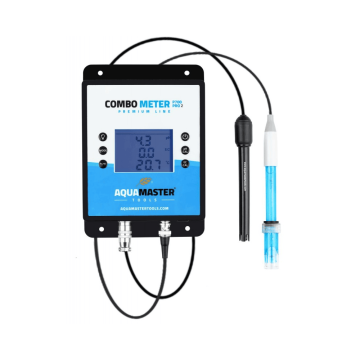
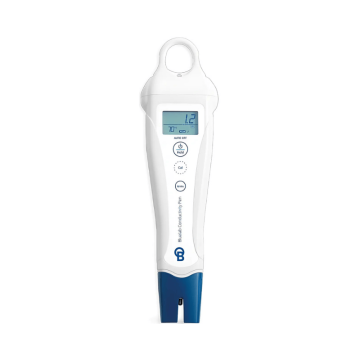
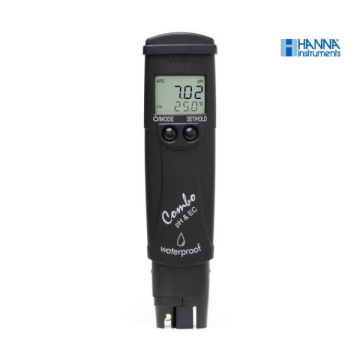
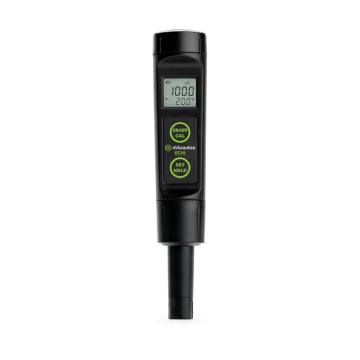
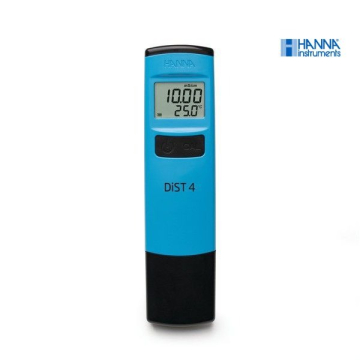
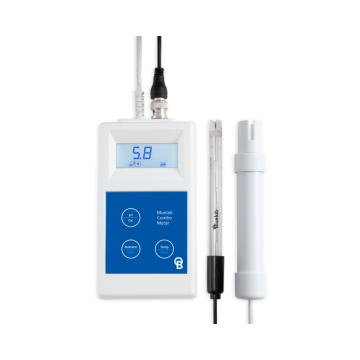
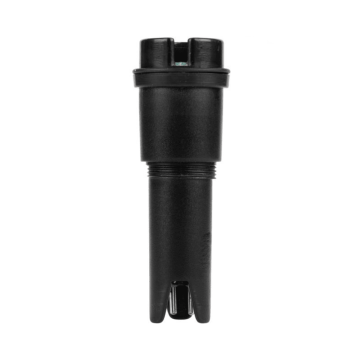
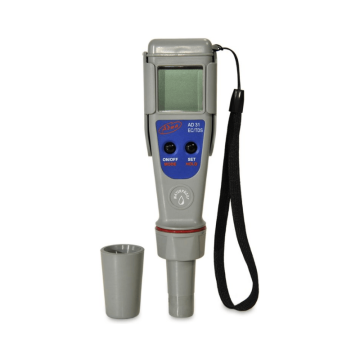
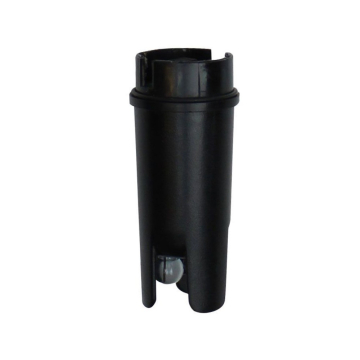
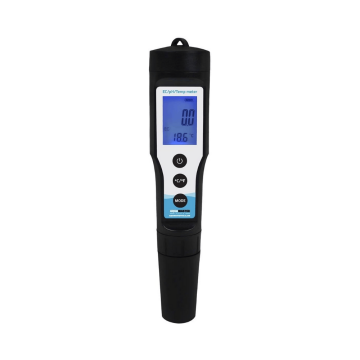
We stock EC metres and conductivity metres from Bluelab, Hanna, Milwaukee, Adwa and HM Digital, ranging from pocket-sized handheld models to continuous monitoring probes and pH + EC combo units.
What is an EC metre and what is it used for
EC (electrical conductivity) depends on dissolved mineral salts: the more nutrients, the higher the EC. That's why an EC metre is, in practice, a measure of nutrient strength. An EC that's too high will burn the roots; too low leaves the plant starved. Measuring allows you to dose your fertilisers precisely rather than guessing.
EC metre and TDS: how to read the units
EC is expressed in mS/cm and is the most reliable unit. Many devices are both EC and TDS metres and display the value in PPM, but be careful: there are two PPM scales, the 500 (NaCl) scale and the 700 (KCl) scale, and the same water gives different readings depending on the device. To avoid confusion, always work in EC.
EC metre for irrigation water: target levels by growth stage
Indicative EC values in mS/cm, somewhat lower in soil than in hydroponics or coco:
- Cuttings and seedlings: 0.5 – 0.8
- Vegetative: 1.2 – 1.8
- Flowering: 1.8 – 2.2
- Root flush: below 0.4
Measure the water before watering and, if possible, the runoff draining from the pot to see whether the plant is consuming salts or accumulating them in the substrate; if it exceeds 2.3–2.4, it's time to flush. To raise the EC add more fertiliser in small increments and to lower it dilute with low-mineralisation water.
How to choose your EC metre or conductivity metre
Three formats depending on your setup:
- Pocket conductivity metre (pen): quick and economical for each watering.
- Continuous EC metre with probe: fixed in the reservoir, monitors EC in real time.
- pH + EC + temperature combo: all three parameters in one device, ideal if you don't yet have an EC metre.
Look for temperature compensation (ATC) and, in the premium range, replaceable probe. Bluelab leads in reliability; Hanna and Milwaukee balance price and precision; Adwa and HM Digital are the entry-level range.
EC metre calibration and maintenance
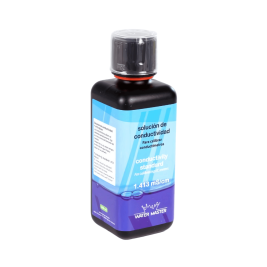
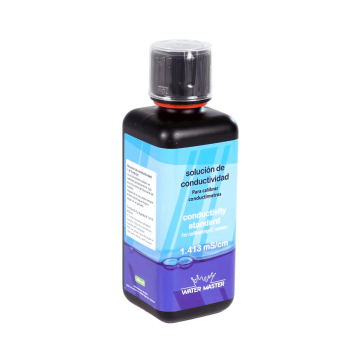
An EC metre is only reliable if it's calibrated. Calibrate it every few weeks with EC calibration solution (1.413 mS/cm), rinse the probe after each use and don't let it dry out.
Buy EC metres
Find your EC metre in the pH and EC metres section and complement it with the rest of your grow accessories.
Preguntas frecuentes de EC Meters
How to calibrate an EC meter?
Immerse the clean probe in an EC calibration solution (for example 1.413 mS/cm) at room temperature and adjust until the display reads that value. Repeat every two or three weeks.
Measure in EC or PPM/TDS?
Better in EC: it is a single unit; PPM/TDS depends on the scale (500 or 700) and causes confusion between devices.