
Overwatering cannabis plants: how to detect and fix it
Overwatering is one of the most common and dangerous mistakes cannabis growers make. Unlike underwatering, stagnant water suffocates roots, causes fungal problems and stunts growth. In this article we'll identify visible symptoms, explain what happens at each stage, and give you an immediate action plan and preventative solutions so your plants can recover.
Table of contents
- Symptoms of overwatering in plants
- Common causes of overwatering and critical stages
- Immediate solutions to recover your plants from overwatering
- Preventative techniques and best practices
- Best products and tools to recover plants from overwatering
- When to repot and use additives for overwatering?
1. Symptoms of overwatering
- Wilting and drooping leaves: A lingering effect of oxygen deprivation and blocked transpiration.
- Chlorosis (yellow leaves) especially at the base.
- Leaves curling downwards: Typical water stress from waterlogging.
- Slow growth, few new shoots.
- Waterlogged substrate, sticky or with fungal growth.

2. Common causes of overwatering and critical stages.
- Seeds and seedlings: these two early stages are critical when it comes to watering; we tend to apply far more water than the plant and environment can absorb. Excess water in these phases causes waterlogging, root rot and fungi like Pythium.
- Vegetative and flowering stages: At these stages plants have more tolerance for excess water, especially during flowering, but it's equally dangerous to overwater; aeration becomes blocked and plants cannot develop properly.
- Oversized pots: if the pot is much larger than the plant, the substrate is likely to be too wet, the plant won't be able to absorb the excess water and this will inhibit roots and reduce development.
3. Immediate solutions to recover your plants from overwatering
- Stop watering immediately and allow it to dry out for at least 2–5 days. Keep watching and let the substrate dry thoroughly.
- Ensure good drainage: aerate the substrate, a good solution can be to poke holes in the substrate with sticks or use a porous material; you can add perlite (~25 %).
- Check roots: if they're brown or soft, you can trim them slightly and apply fungicide if needed to prevent fungal issues.
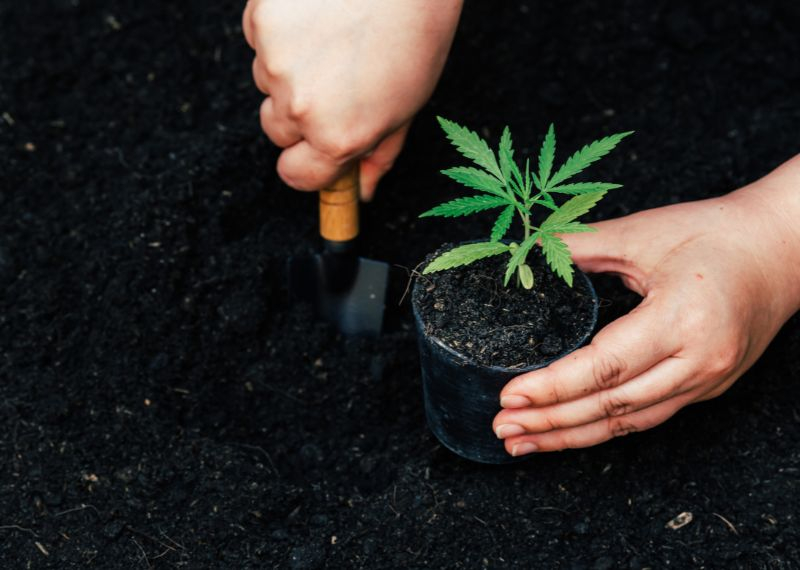
- Repot only if very severe. As a last resort, if plants are in bad shape you can repot them into fresh substrate with good drainage.

4. Prevention and best practices
- Water until it drains from the drainage zone, then stop.
- Watering frequency based on pot weight. You shouldn't water the same every time; it's important to water by weight, when the pot feels much lighter is the time to water.
- Constant ventilation: this is key, it helps surface drying and prevents mould.
- Use of moisture metres or sensors.
- Drainage materials: perlite, raised trays, fabric pots.
5. Tools and recommended products to recover plants from overwatering
| Product | Main use | Additional recommendation |
| Designed to protect the root system | Ideal for recovering your roots and speeding up nutrient absorption processes. | |
| Soil Moisture Sensor (WCS-1) | Precise measurement of substrate moisture levels | Ideal for knowing exactly when to water and avoiding excesses. |
| ProPot Fabric Pot | Improves root aeration and prevents waterlogging | Perfect for replacing traditional pots and allowing more efficient watering. |
| Plagron Perlite | Increases substrate drainage and oxygenation | Mix with soil at 20–30 % to achieve looser, better-aerated soils. |
| Root+ by Metrop | Boosts the root system after water stress | Include in the next watering after root recovery to stimulate beneficial microbes. |
6. When to repot and use additives for overwatering?
Repotting is the last resort; do it only if the substrate is compacted or roots are rotten. Add enzymatic additive such as Atazyme in the next watering after drying out (stimulates recovery). Use a preventative fungicide and maintain pH 6.5.
Nutrient adjustment: avoid using fertilisers until full recovery.
Conclusion
Recovering a cannabis plant affected by overwatering requires speed and caution, but it is possible. Stop watering, aerate the substrate, check roots and use appropriate products. And for the future, implement good drainage practices, ventilation and monitoring. This way, you'll avoid setbacks and achieve healthy growth and good yields.
Comments
No comments yet — be the first.