
How to Germinate Cannabis Seeds: Complete Guide
Here begins the race to harvest, and like any race, a good start is crucial—it will make all the difference to your crop. In this post we'll walk you through the key factors and the different germination methods in just five minutes, plus give you some practical tips to help you germinate your Cannabis Seeds successfully, without fail.
Table of Contents:
- Key Factors for Successful Germination
- Different methods for germinating cannabis seeds
- Tips to Improve Germination Rate
- Aftercare Following Germination – What Next?
- Frequently Asked Questions About Germinating Cannabis Seeds
Cannabis seed germination is a much simpler process than it seems. All you need is to be clear from the start about the materials and environmental conditions required.

Key Factors for Successful Germination
Germination is a process that depends on several key factors you should keep in mind if you want to guarantee good results. Temperature, humidity, darkness, substrate quality and of course seed quality are the most important. Make sure you prepare the right environment before you start the process.
Temperature
Cannabis seeds germinate best between 20°C and 25°C. Temperatures outside this range can slow down or prevent germination. Try to maintain a constant temperature within this range.
Humidity
Humidity is essential throughout the germination process. Make sure the medium stays well moist, but not waterlogged, to prevent the seeds from rotting.
Darkness
Cannabis seeds germinate best in darkness. Once they sprout, they need soft light to continue their development.
Substrate Quality
An aerated substrate with good drainage facilitates germination and root development. Remember that we're starting the race and the initial conditions will shape the future development of your plants.
Seed Quality
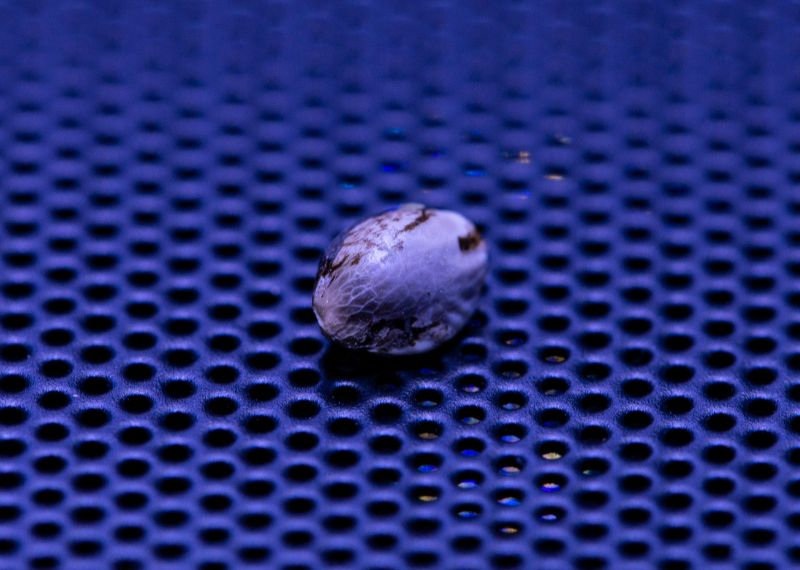
Mature seeds with a brown colour and a hard shell have a better chance of germinating successfully. Use quality seeds from a good source, for example, Growlobby cannabis seeds! Choose the variety that best suits your timeline or preferences: Feminized Seeds, Autoflowering Seeds or Regular Seeds.
Different methods for germinating cannabis seeds
There are different methods for germinating cannabis seeds. At Growlobby we tell you about the most popular ones, along with their pros and cons so you can choose the one that best suits your needs.
Germinating cannabis seeds on Paper Towels:
Materials Needed
- Clean kitchen paper
- Container with lid or two plates as an alternative.
- Water
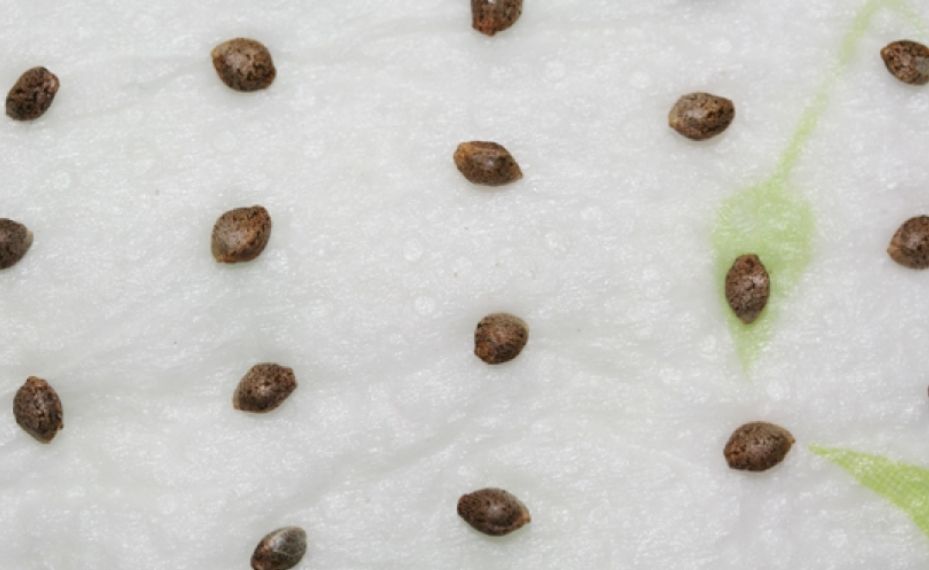
Place a slightly damp paper towel at the bottom of a container. Then place your seeds on the paper, leaving a space of 1-2 cm between them. Cover with another layer of damp paper and close the container loosely so it can breathe—you can use two plates if you don't have the right container.
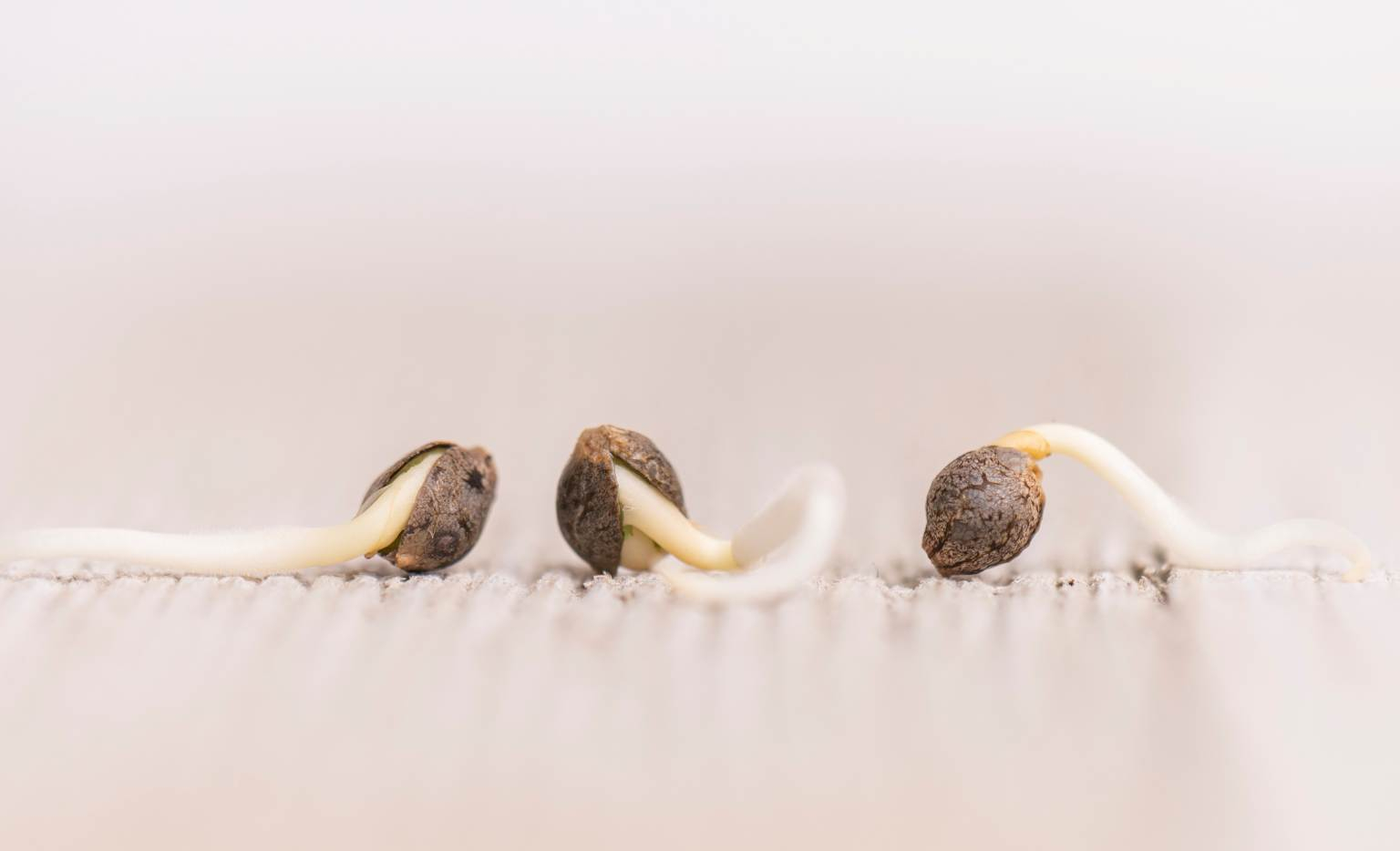
Check after 24/48 hours to see if roots have started to appear and that the paper towels are maintaining moisture. You may need to dampen it again. When the root reaches 1-2 cm, it's time to move to the next stage and transfer it to the substrate you have prepared.
Advantages
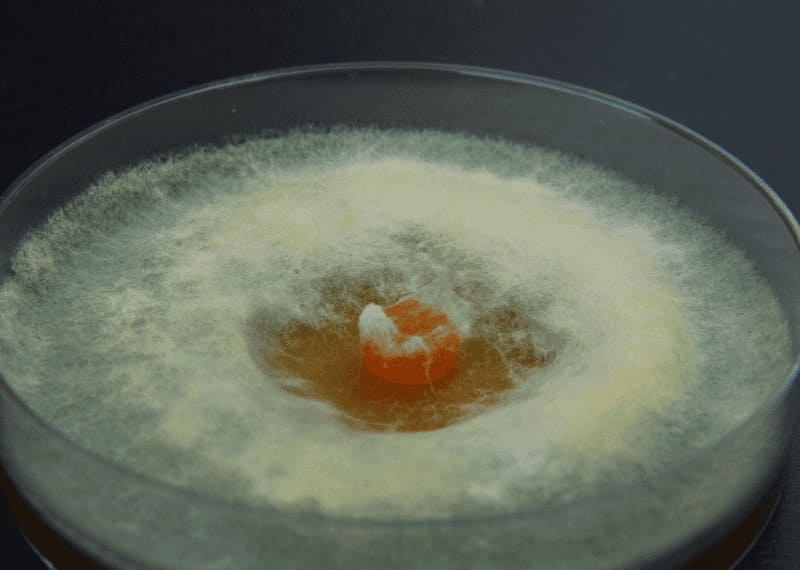
It promotes the growth of beneficial microorganisms such as trichoderma and is a simple and economical method. I'd say it's the most popular.
Drawbacks
Requires careful transfer to the substrate to avoid damaging the roots.
Germinating cannabis seeds in water
Materials Needed
- Glass of water
- Hydrogen peroxide (optional). Using hydrogen peroxide to germinate cannabis seeds is a common technique to speed up germination, disinfect the seed and improve water oxygenation.
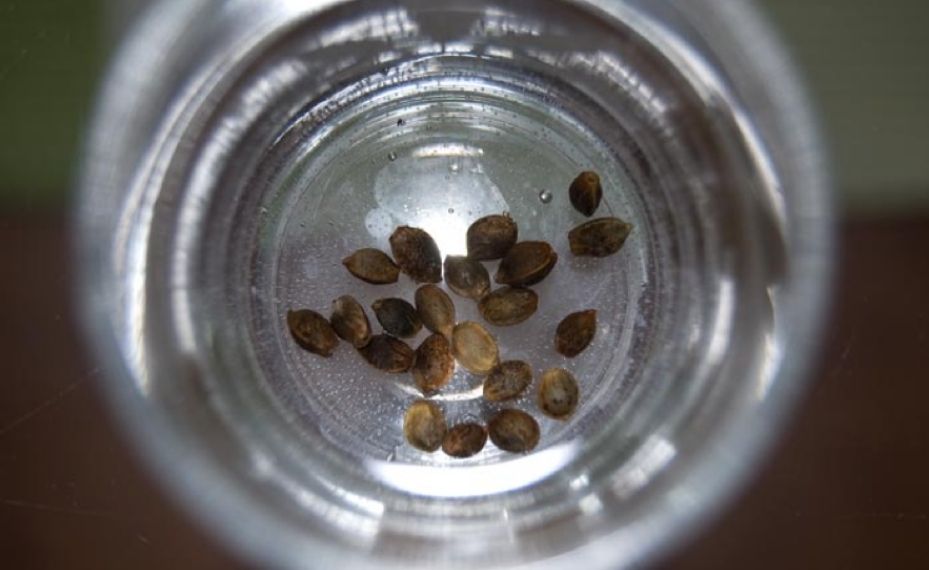
Fill a glass halfway with clean water at room temperature, add 1-3 drops of hydrogen peroxide and submerge your seeds. Place it in a dark and warm spot. After 24/48 hours check if the seeds have started to open, if there are visible roots or if they're already sunken. If so, transfer the seeds to appropriate substrate, the germination phase is over!
Advantages
The process is very easy to observe, you don't have to open the container to check progress. It's also ideal for germinating many seeds at once.
Drawbacks
Seeds can drown if they stay in water for too long.
Germinating cannabis seeds directly in Soil
Materials Needed
- Soft substrate (such as Janeco Light-Mix)
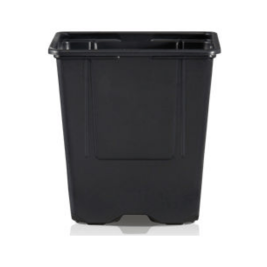
- Pots - small
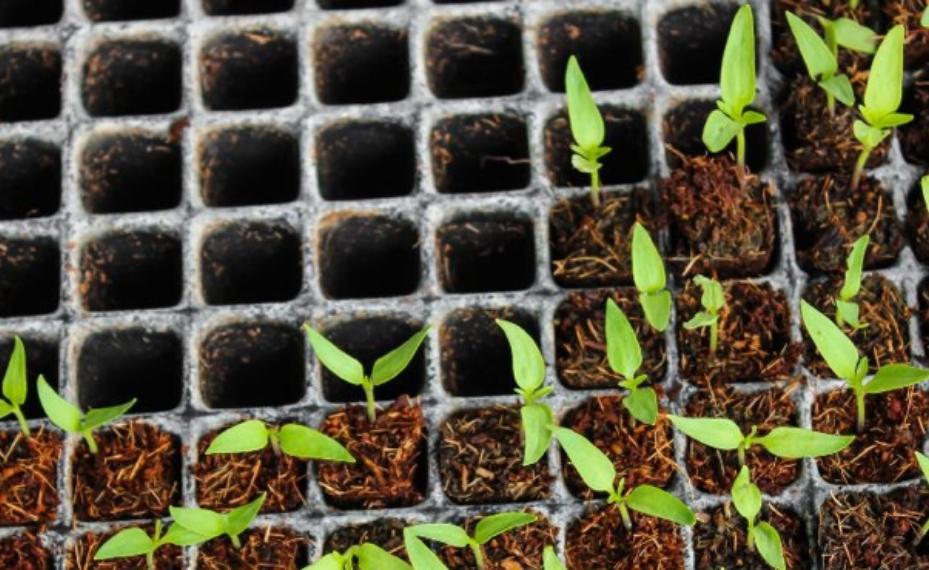
Fill your pot almost to the top with the substrate you've chosen and plant the seeds at a depth of approximately 2 cm, if you can tell on your seed, place it with the thicker end facing down. Keep the substrate moist and don't compact it too much. Place the pots in a warm, well-ventilated environment.
Advantages
Avoids the stress of moving and transplanting. It's the most natural method.
Drawbacks
It's harder to monitor the progress of germination and can be a bit less reliable than the two methods above if not done with precision.
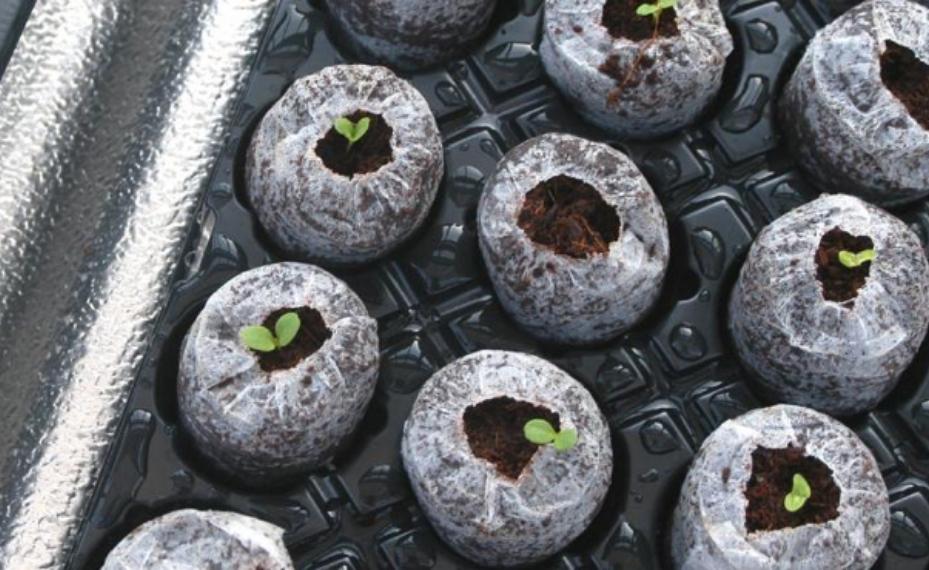
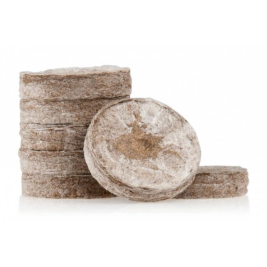
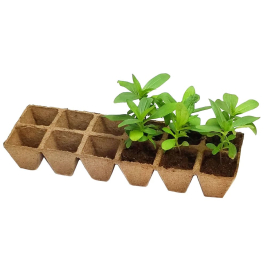
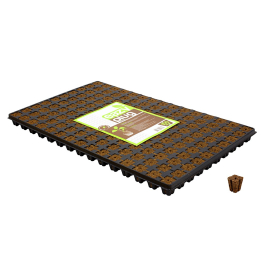
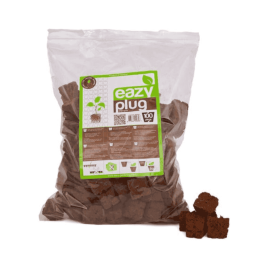
Cannabis Seed Germination in Jiffy Pellets or Rockwool
Materials Needed
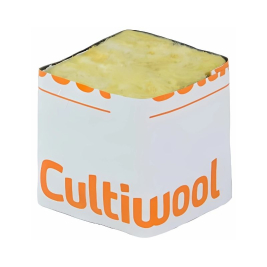
- Peat pellets (jiffy pellets) or Rockwool
- Water
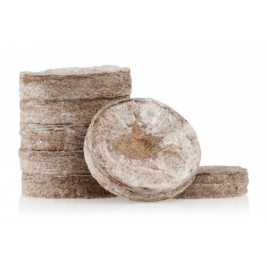
Hydrate the peat pellets by soaking them in water until they expand. Place one seed in the centre of each pellet and keep them in a moist environment until the roots are visible.
Advantages
This method is very clean and efficient, plus it's easy to transplant without damaging roots.
Drawbacks
It can be more costly than other methods.
Tips to Improve Germination Rate
It's very important to maintain proper hygiene throughout the process.
Avoid handling seeds constantly to reduce the risk of damage.
Use good quality water (preferably filtered). Monitor humidity and temperature levels regularly.
And most importantly: choose good cannabis seeds!
Common Mistakes When Germinating Cannabis Seeds and How to Avoid Them
Too much water: this is a very common mistake. At this stage keep your seeds consistently moist but not waterlogged—they can rot.
Extreme temperatures: don't expose seeds to cold or very high temperatures.
Rough handling: another common mistake occurs when transplanting—be careful during this process to avoid damaging young roots. Don't make sudden movements; this is when your plants are most vulnerable.
Aftercare Following Germination – What Next?
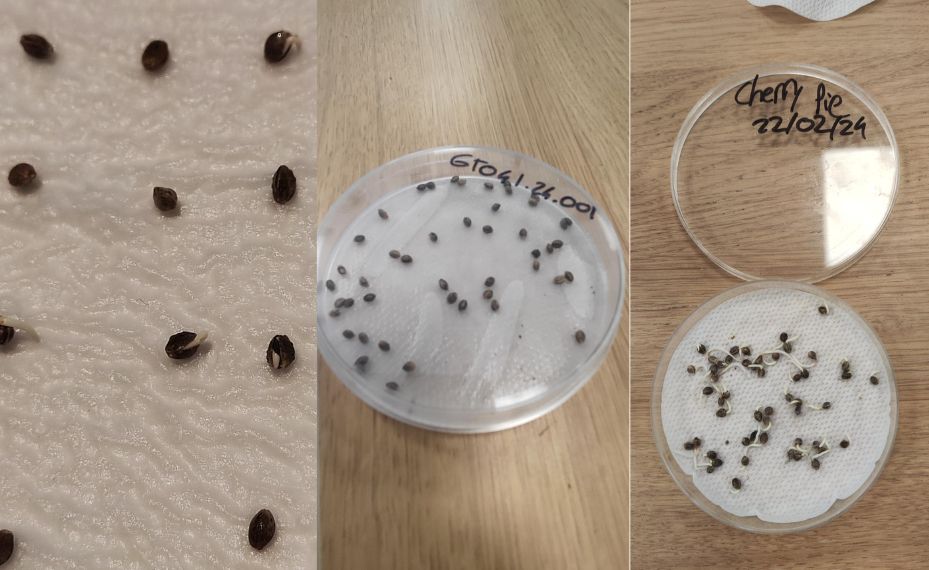
Once the seeds have germinated, when they've opened and their root is starting to show, it's time to act carefully. Here begins a critical phase, the beginning of the long haul: transplanting to the final growing medium.
When and how to transplant?
As soon as you see the main root has reached about 1-2 cm, it's time to transplant the seeds. Do it with tweezers or with your fingers very carefully, without touching the root directly. Remember to dampen the substrate or medium you've chosen beforehand and make sure it's not compacted to encourage root development.
Once in place, we'll tell you the ideal conditions for it to keep growing well and nothing goes wrong.
Ideal conditions for continued good growth
- Light: no direct sun for the first few days. If you're using artificial light, position it about 30-50 cm away (depending on power). If the seedling gets very tall it's probably because it needs more light.
- Temperature: ideally maintain a constant temperature between 20 and 25°C.
- Humidity: the early stages require environmental humidity of 70-80%, you'll need to gradually lower it as the plant grows.
A mini-propagator Garland can help you a lot here.
Root stimulators and first nutrients
You don't need to fertilise in the first few days, but you can use root stimulators such as: BioClone Gel BAC 100ml or Superthrive 120ml. They help roots grow faster and stronger, and help the plant overcome transplant "shock".
If you think your substrate is a bit poor, from the second week you can start with a low dose of growth fertiliser. If you've chosen a good cannabis substrate, wait a bit longer.
Common problems and how to solve them
Although we've said germination is a simple process, there are several mistakes that can ruin everything:
Seeds that won't germinate
Possible causes: old or poorly stored seed, too much water (suffocation), lack of heat, or too much handling.
Solutions: make sure to keep the environment moist but not waterlogged, between 20-25 °C. Avoid touching the seed more than necessary. If after 5-7 days you see no change, you can try the "damp paper in container + gentle heat" method.
Mould appearing
Prevention: ventilate the space well and don't overdo the humidity. Always use clean water and disinfected tools.
Treatment: if mould appears in the substrate, dust it with a bit of cinnamon or transplant carefully. If it's on the seed, it may be beyond saving.
Weak or stretched seedlings
Common cause: insufficient light or positioned too far away.
Solution: lower the light, increase intensity or reposition the seedling. You can also bury it a bit deeper in its new container.
Frequently Asked Questions About Germinating Cannabis Seeds
How long does it take for a seed to germinate?
Usually between 24 and 72 hours, depending on conditions and variety. Some seeds may take several days to germinate, but normally they'll do it within 72 hours; if not, they may be damaged.
Can I use fertilizers during germination?
No, fertilizers can damage seeds. It's better to wait until the plants are established; in the next phase we'll use nutrients.
Conclusion
Germinating cannabis seeds successfully is not a matter of luck: it's a combination of proper conditions, good products and a bit of patience. If you follow the steps we've covered – controlling temperature, humidity, light, careful transplanting and attention to early signs - you're all set!
At Growlobby we recommend the paper towel method for small batches or water germination for large numbers of seeds.
Remember to get ahead in this race—you're going to do great! Keep in mind that the first few weeks are critical, so look after your seedlings well.
Comments
Leave a comment