
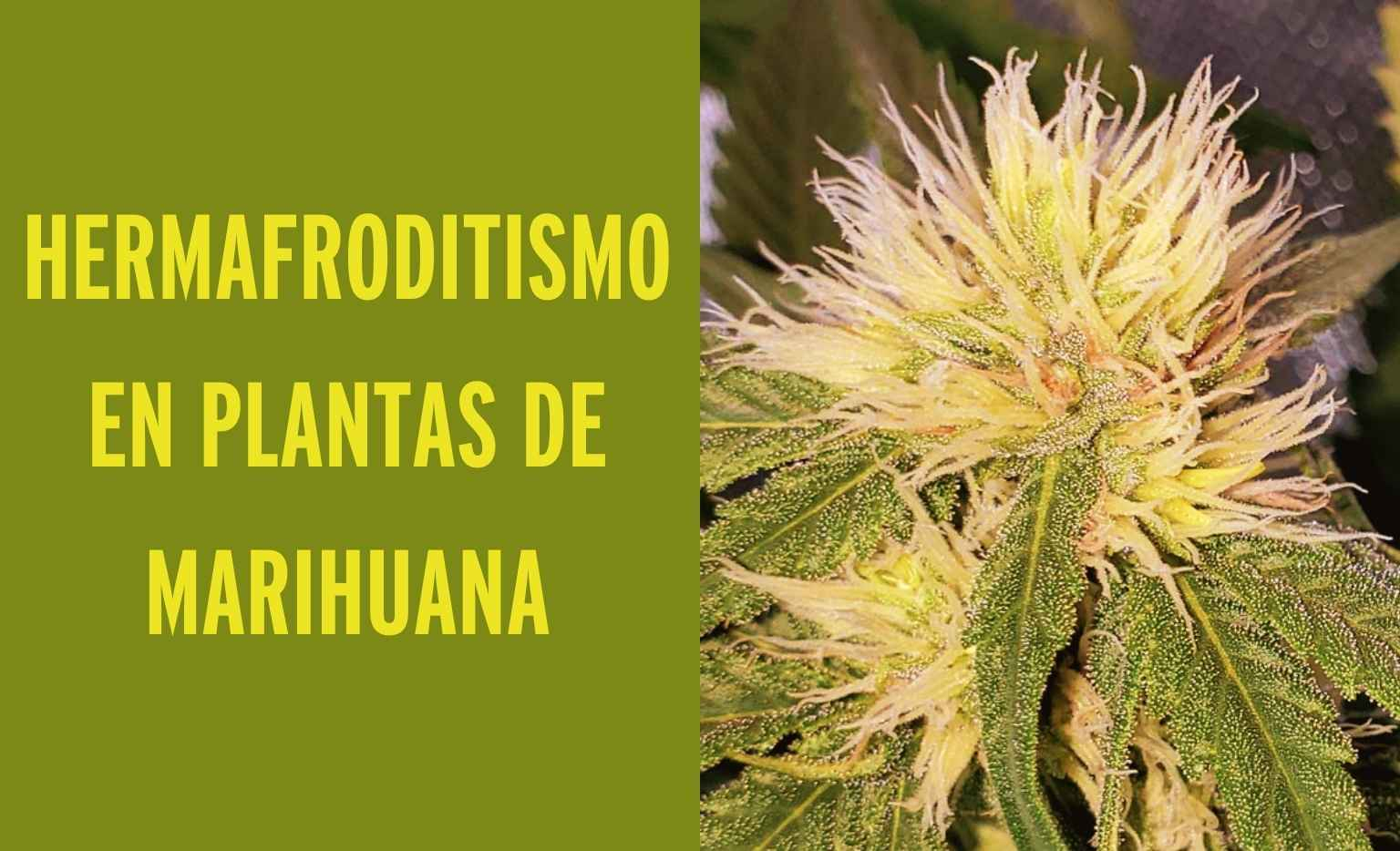
Hermaphroditism in cannabis plants
Table of contents
- What is hermaphroditism in cannabis plants
- Most common causes of hermaphroditism in cannabis
- When hermaphroditism usually appears in cannabis plants
- Symptoms of a hermaphrodite cannabis plant
- How to prevent hermaphroditism in your cannabis plants
- What to do if you detect a hermaphrodite cannabis plant
- Conclusion about hermaphroditism in cannabis plants
Cannabis is a dioecious plant species that under normal conditions produces male and female specimens. Males produce pollen and females produce flowers that can be pollinated to reproduce or develop producing resin-rich, cannabinoid flowers.
Cannabis cultivation has focused for most of history on female cannabis plants loaded with resin. During the 1970s and 1980s the term sinsemilla became popular in the United States, referring to the highest quality flowers with no seeds inside and which quickly became a quality standard in the US and Europe.
However, references to hermaphrodite cannabis plants have been documented since the 19th century, which under certain conditions begin to produce both female and male flowers at the same time. During the 1990s and with the arrival of feminised seeds, growers realised that the factor producing this hermaphrodite tendency came not only from environmental stress but also from genetic factors. Progressively throughout the 21st century, knowledge and experience have developed regarding this phenomenon, and understanding has deepened into the conditions that produce it, which we briefly explain in this article.
1. What is hermaphroditism in cannabis plants
Hermaphroditism is a natural response of some cannabis genetics when under stress conditions, through a natural survival mechanism aimed at self-pollination. Instead of developing only female flowers, they can also form male structures, developing both male and female sexual organs at the same time. Hermaphrodite cannabis plants generate buds and also pollen sacs that can pollinate other plants and self-pollinate, generating seeds in themselves.
This natural process is really a problem for most growers because when working with a new variety there is always a certain risk of hermaphrodite tendency that can actually ruin entire crops.
2. Most common causes of hermaphroditism in cannabis
Hermaphroditism in cannabis plants usually appears due to a combination of environmental stress factors for cannabis plants and genetic factors. These are the most common causes:
- Light stress: unexpected light cuts, unstable photoperiods or light leaks during the night.
- Extreme temperatures, whether too hot or cold for several days.
- Aggressive pruning or transplanting at the beginning or middle of flowering.
- Genetic factors: in new-generation polyhybrids, greater tendencies to hermaphroditism often appear.
3. When hermaphroditism usually appears in cannabis plants
Hermaphroditism in cannabis can appear at any time during cultivation, but there are particularly delicate stages:
- During the photoperiod change between growth and flowering. In the first and second week of flowering a critical hormonal shift occurs.
- From the third or fourth week of flowering onwards, when hormones are most active.
- And in crops that extend too long in flowering and plants age more than they should.
It is important to review each plant thoroughly from the first week of flowering and throughout the rest of the cycle.
4. Symptoms of a hermaphrodite cannabis plant
These are the most common signs in hermaphrodite cannabis plants:
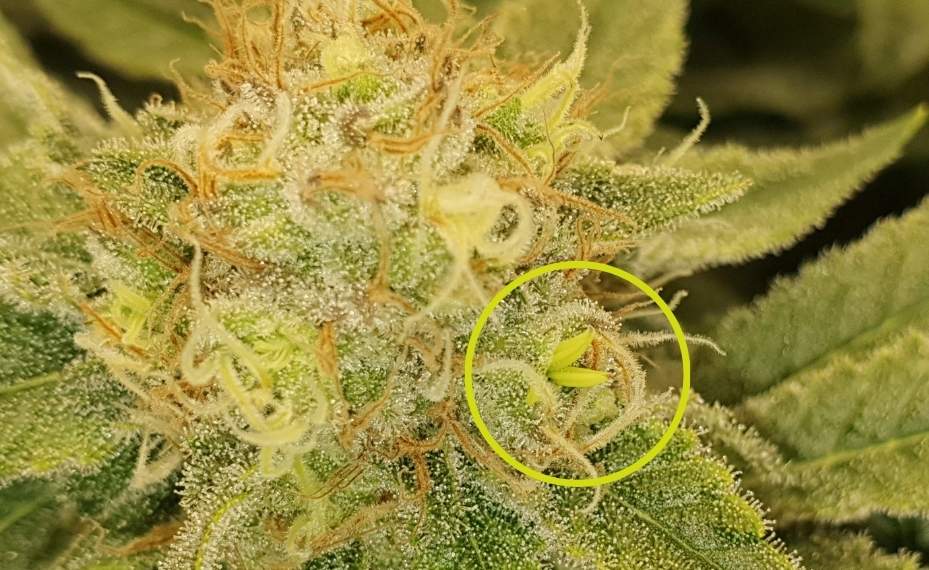
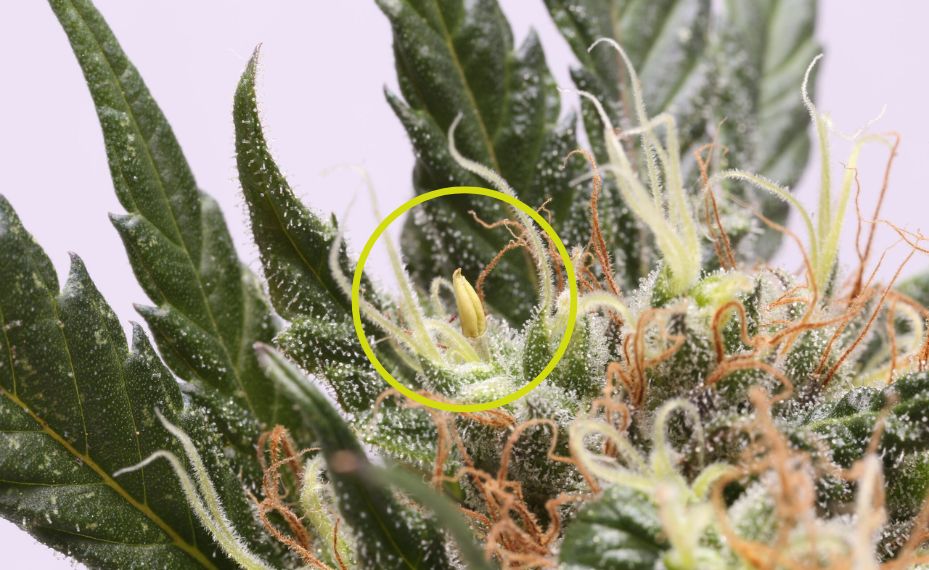
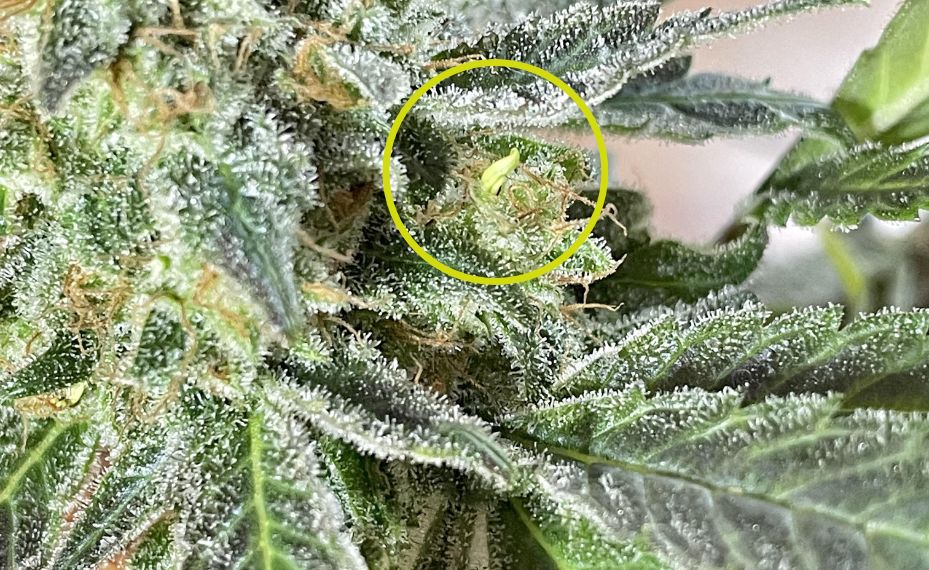
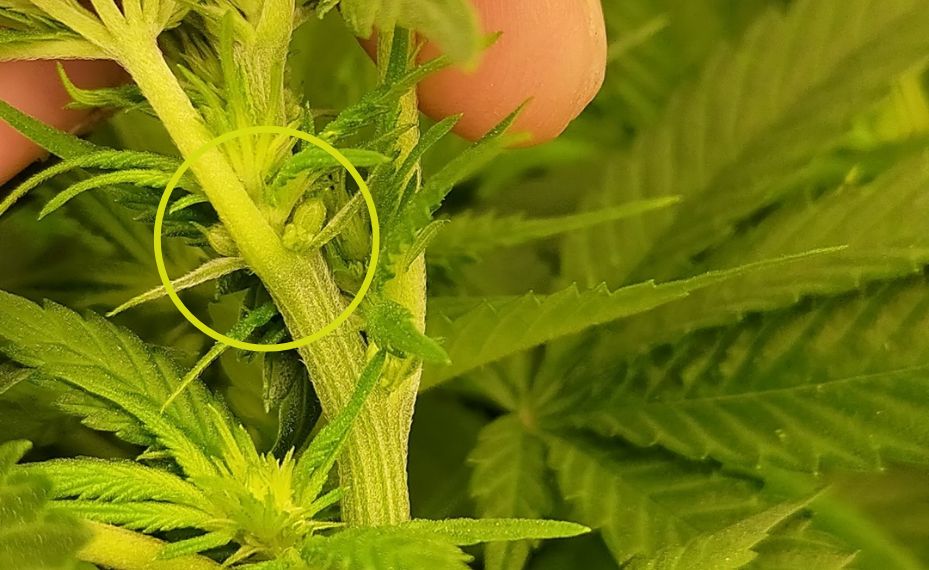
- Presence of anthers or "bananas": small yellow, elongated structures protruding between the buds.
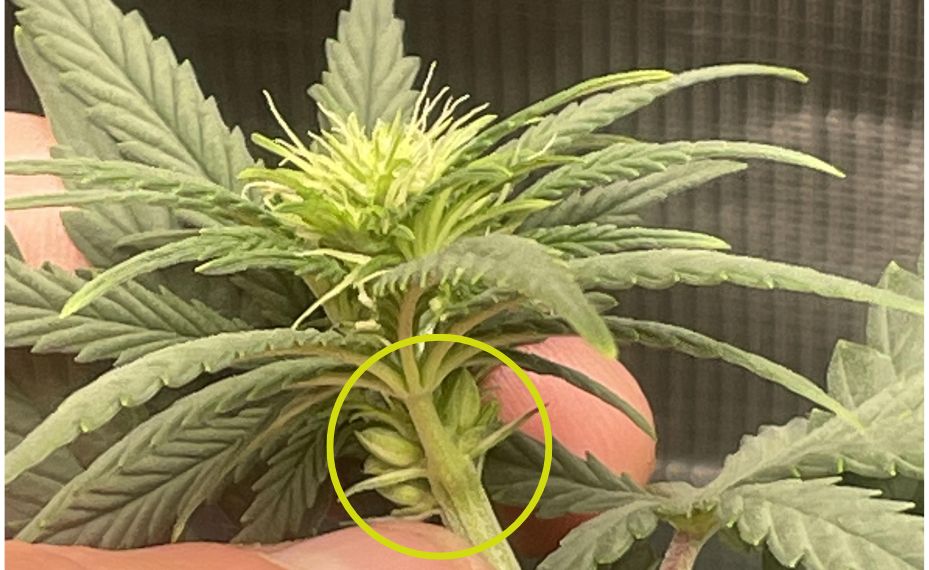
- Pollen sacs visible in the nodes, similar to those on male plants.
- Premature seeds in flowers of female cannabis plants.
5. How to prevent hermaphroditism in your cannabis plants
Rule number one is to create the most favourable conditions for plant development during the growth weeks and through to the 3rd or 4th week of flowering. The use of generative growing techniques or crop steering with controlled climate and precision watering can reduce the natural tendency to hermaphrodite, but even so there are varieties that manifest it even under optimal conditions.
- Make sure the environment is stable: temperature between 20 and 26 degrees, controlled humidity, no aggressive air currents.
- Check the photoperiod using reliable timers, and verify that no lights are on during night hours.
- Don't prune or transplant once flowering has begun.
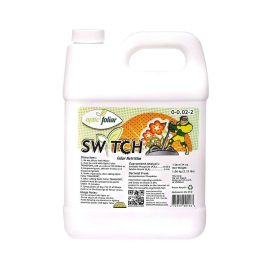
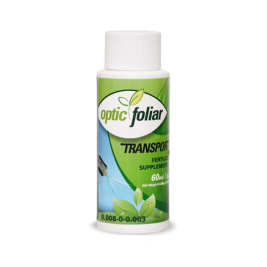
- Apply Optic Foliar Switch along with Optic Foliar Transport as a preventive foliar treatment during the first 15 days of flowering.
- Avoid applying new products or making drastic changes mid-cycle.
- Choose varieties with good grower feedback and from recognised seed banks.
- Maintain a consistent watering, feeding and weekly review routine.
6. What to do if you detect a hermaphrodite cannabis plant
If you encounter a hermaphrodite plant, you have several options depending on the stage at which you discover it:
- Increase relative ambient humidity to 65 - 70% to prevent pollination.
- Remove or isolate the hermaphrodite plant to prevent pollination of other female plants.
- In some cases it can be useful to harvest that plant early to save at least some of the product.
- Mark that genetic and avoid reproducing it or using it as a mother plant.
- If you detect hermaphroditism after harvest remember that you can use the flowers for resin extraction or natural cannabis preparations without any risk.
7. Conclusion about hermaphroditism in cannabis plants
Hermaphroditism is one of the biggest enemies in cannabis cultivation, but also one of the most avoidable. Looking after the environment, choosing safe genetics and carefully observing plants during flowering is the best guarantee for reaching harvest without surprises.
Acting promptly can save you months of work. If you have any questions you can contact our Growlobby team and we will try to resolve them and help you in every way we can.



Comments
No comments yet — be the first.